
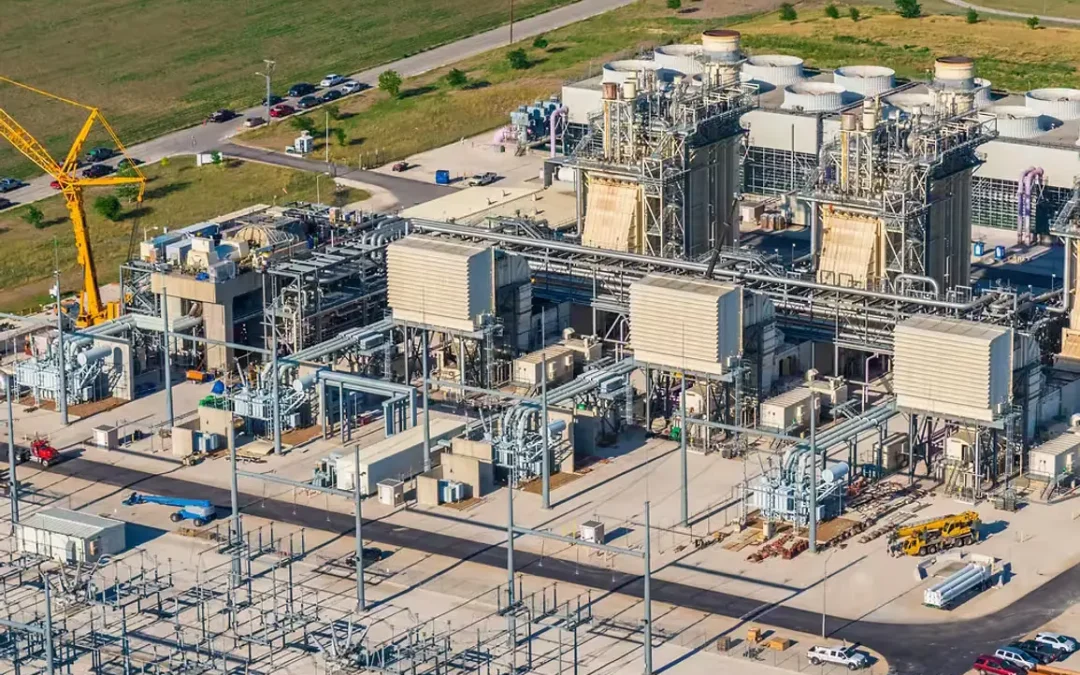
An energy company can no longer think only about its main asset.
A gas field is valuable only if its output can reach a market. A power plant needs dependable fuel and a functioning transmission system. Offshore production depends on vessels, equipment, logistics, technical services and people. Industrial energy projects depend on reliable networks that connect them to customers.
The strategic question is therefore becoming broader.
Companies are looking beyond the boundaries of the asset itself, not necessarily because they want to own every part of the business, but because the systems around their core assets increasingly determine whether those assets can deliver value.
That shift is particularly relevant in 2026, as rising electricity demand, geopolitical disruption and tighter capital discipline reshape energy investment.
The Core Asset Is Only One Part of the System
Energy projects are often described by their biggest asset: an oil field, gas project, refinery, power plant or terminal.
But the asset itself is only one part of the story.
A gas project needs infrastructure to gather, process and move the gas. A power plant needs fuel and a reliable grid. Offshore production needs vessels, equipment, supplies and people moving between the installation and shore.
If one of these supporting systems fails, the main asset can be affected even when the asset itself is working properly.
Nigeria’s gas-to-power challenge illustrates the point. In May 2026, the Nigerian Upstream Petroleum Regulatory Commission called for greater coordination between the gas, power and financial sectors, pointing to the problems created when connected parts of the energy system operate separately.
An energy company may therefore own an excellent asset, but its performance can still depend on infrastructure, equipment, logistics and services that sit outside the asset itself.
The value of an energy asset increasingly depends on the system surrounding it.
New Demand Is Expanding the Opportunity
The shift beyond the core is not simply a diversification strategy.
It is also being driven by the emergence of new sources of demand.
Data centres are a major example. As artificial intelligence and digital services expand, these facilities require large and reliable amounts of electricity. The IEA expects global electricity consumption from data centres to more than double by 2030.
That creates opportunities beyond simply producing more energy.
Someone has to generate the power, connect it to the grid, provide equipment, build the necessary infrastructure and keep those systems operating. Companies with experience in these areas may therefore find new opportunities around growing sources of energy demand.
At the same time, traditional energy sources remain important. Natural gas, for example, continues to play a role in supporting electricity systems as renewable and nuclear generation expand.
Recent events have also shown why reliability matters.
The disruption to LNG flows through the Strait of Hormuz in 2026 affected flows representing almost 20% of global LNG supply and triggered significant price volatility, according to the IEA. For operators, events like this reinforce the importance of having reliable supply routes, equipment, infrastructure and operational support.
Capital Is Becoming More Selective
Looking beyond the core does not mean investing in everything.
Energy projects require significant amounts of money, and companies increasingly have to decide where that money can create the strongest returns.
Existing capabilities can therefore become a source of growth. A company does not always need to enter an entirely new business to find new opportunities. It can apply what it already knows, owns and operates to emerging demand elsewhere in the energy system.
The question is not simply whether a new market is growing. It is whether the company has a credible advantage in serving it.
That changes the meaning of diversification.
The objective is not necessarily to own more businesses. It is to identify opportunities that fit what the company already knows how to do and can execute well.
The Advantage Is in Capabilities, Not Just Assets
This is where strategy meets reality.
Owning an energy asset does not automatically create value. It has to be developed, supplied, operated and maintained.
That requires procurement, project management, equipment, logistics, technical expertise and skilled personnel. Offshore operations add vessels, marine services and shore-based support.
These capabilities become particularly important when projects operate under tight schedules or face disruptions.
A delayed component can hold up construction. A shortage of specialised equipment can extend downtime. A marine constraint can disrupt offshore operations. A lack of skilled personnel can slow commissioning or maintenance.
The consequences can spread across the wider project because its assets are connected operationally, even when they are owned by different companies.
For energy and marine projects, these supporting capabilities are therefore not secondary considerations. They are part of what makes the main asset work.
This is where integrated providers like Sealandair Group fit into the broader ecosystem, supporting the procurement, project management, equipment, logistics, marine and manpower requirements that keep energy operations moving.
The energy companies best positioned for the next phase may therefore not be those pursuing the widest possible diversification, but those that can apply their existing capabilities to the right opportunities.
The opportunity is not necessarily to own more assets. It is to understand what makes the assets you own, operate or support more valuable.
The next phase of energy may not be defined simply by who owns the biggest assets, but by who can make the systems around those assets work.