
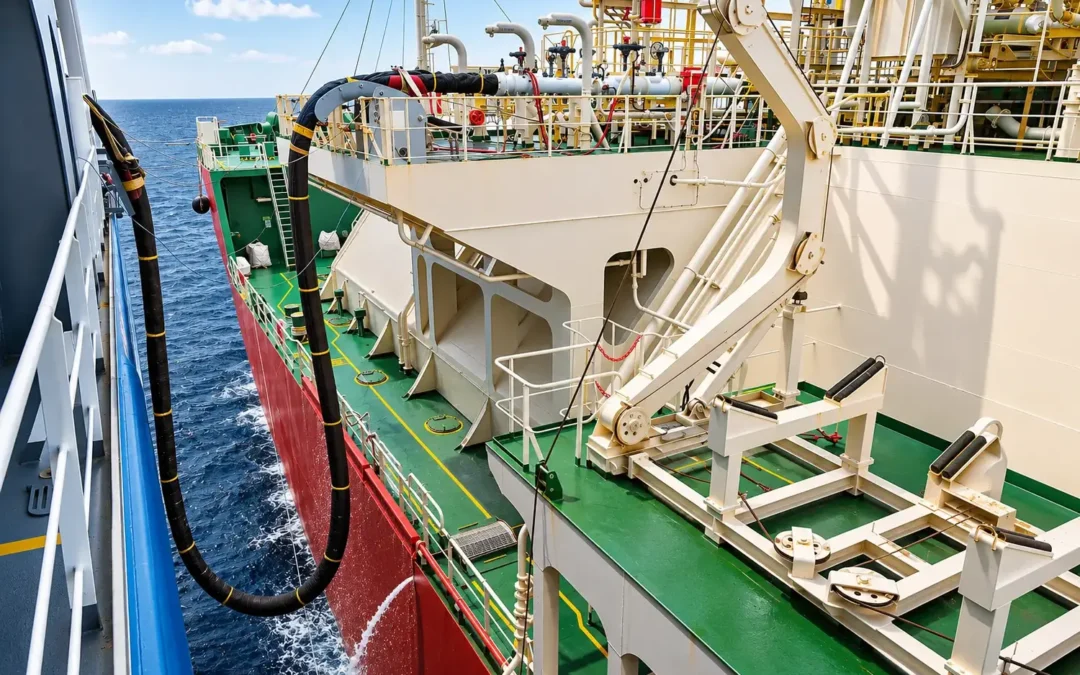
Fuel is one of the basic requirements of vessel operations, but its importance extends well beyond the cost of purchasing it. In offshore environments, where vessels support drilling, production, transportation and other marine activities, fuel availability and quality can directly affect operational continuity.
Getting fuel to the right vessel, in the right quantity and at the right time requires more than a supplier and a transaction. It involves procurement decisions, quality assurance, delivery coordination and an understanding of the vessel’s operating requirements. When these elements are poorly managed, the consequences can extend beyond the immediate cost of fuel.
As offshore activities become increasingly dependent on coordinated marine support, vessel fueling deserves to be treated as an essential part of operational planning.
Fuel Is More Than a Procurement Cost
Fuel represents a significant operating expense for many vessels. Its cost is influenced by market prices, vessel type, engine configuration, operating profile, distance travelled and time spent working offshore.
However, the purchase price is only one part of the equation. Fuel planning must account for expected consumption, vessel utilisation and the requirements of each assignment. An offshore support vessel working between drilling units, production facilities and supply bases, for example, may have a very different consumption pattern from a vessel operating on a predictable coastal route.
Inaccurate consumption estimates can lead to inefficient purchasing decisions, excess fuel carried on board or the need for additional supply arrangements. Changes in market prices can also affect operating budgets, particularly where vessels consume substantial quantities over extended periods.
This makes fuel procurement a commercial planning decision as much as a purchasing activity. Operators need to understand how fuel requirements relate to vessel utilisation and operating patterns, rather than assessing supply arrangements on price alone. A lower purchase price offers limited value if the wider arrangement creates additional costs or operational complications.
When Fuel Quality Becomes an Operational Risk
The quality of marine fuel has direct implications for vessel performance and machinery reliability. Fuel containing excessive water, sediment or contaminants, or presenting stability and compatibility problems, can create difficulties during storage, treatment and combustion.
A July 2026 report from Lloyd’s Register highlighted cases in which some fuels that passed routine ISO 8217 testing requirements were nevertheless associated with operational problems. Investigations identified Estonian shale oil as a component in some affected fuels, with estimated concentrations of around 10–15%. Reported issues included fuel instability and problems affecting filters, separators and fuel pumps.
The wider lesson is that compliance with a recognised fuel specification does not necessarily eliminate every operational risk. Fuel composition, stability and compatibility can also influence how a product behaves during storage and use. This makes appropriate specifications, representative sampling, testing and documentation important parts of fuel procurement and delivery.
Regulatory requirements reinforce the need for proper fuel records. Under MARPOL Annex VI, applicable vessels must retain bunker delivery notes for at least three years. Representative fuel samples must remain under the ship’s control until the fuel is substantially consumed, and for at least 12 months after delivery.
Fuel quality, therefore, cannot be treated as a matter to resolve only after a problem occurs. It needs to be considered as part of the procurement and delivery process.
The Logistics Behind Reliable Bunkering
Bunkering involves more than transferring fuel from a supplier to a vessel. It requires coordination between suppliers, vessel operators, port or offshore facilities and the personnel responsible for receiving the delivery.
Before a transfer takes place, the required fuel grade and quantity must be established, delivery arrangements agreed and the receiving vessel prepared. The location, timing and method of transfer must also be considered in relation to vessel movements and the facilities available.
During delivery, the process requires clear communication and appropriate monitoring. The quantity transferred must be verified against the agreed order, while representative fuel samples must be collected and delivery documentation completed in accordance with applicable requirements. These steps help establish what was supplied and provide a record that can be referred to if questions about fuel quality or quantity arise later.
The complexity increases when vessels operate offshore or within demanding schedules. Supply arrangements must account for changing operational requirements, available delivery points and the coordination of personnel and equipment. A poorly planned transfer can create complications that extend beyond the bunkering operation itself.
Reliable delivery therefore depends on the entire process working together. Suppliers must have the required product available, delivery arrangements must be properly coordinated, and receiving vessels must be equipped to verify and document what they receive. The objective is not merely to complete a transfer, but to make fuel available without introducing avoidable disruption to vessel operations.
Keeping Offshore Operations Moving
In offshore operations, the consequences of a fuel supply problem can extend beyond the cost of the fuel itself. Delayed deliveries, unsuitable products and poorly coordinated transfers can affect vessel availability, operational schedules and the wider activities that depend on marine support.
This is why vessel fueling should be treated as part of the infrastructure supporting offshore work, rather than an isolated transaction. Effective planning connects fuel procurement with delivery logistics, vessel requirements and the practical realities of working at sea.
Sealandair Group supports energy and marine operations through vessel fueling, procurement, project management, technical support and wider operational solutions. Together, these capabilities help connect the equipment, personnel and operational resources required to support offshore activities.
Reliable vessel fueling is ultimately about more than securing a supply of fuel. It is about ensuring that quality, quantity and delivery arrangements meet the needs of the operation. When these elements are properly managed, fuel becomes a dependable part of the support system that keeps offshore activities moving.