
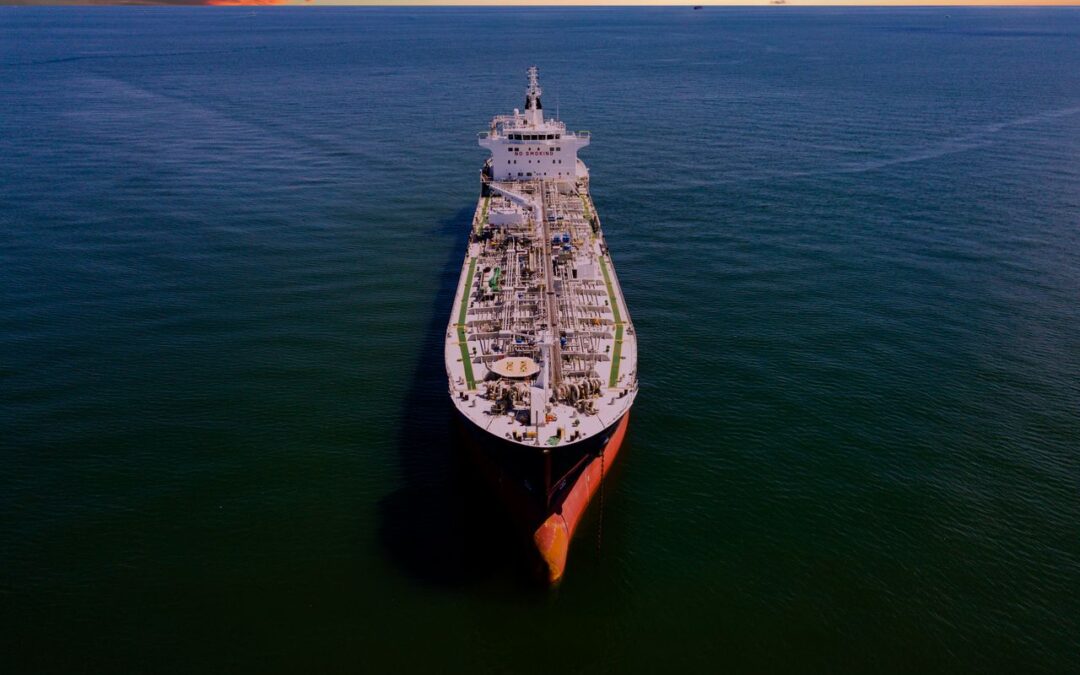
Commercial vessels operate through marine environments shared with coastal communities, ports, industrial facilities and critical infrastructure. When a tanker sustains damage and releases oil into surrounding waters, the consequences can extend far beyond the vessel itself. Depending on the location and environmental conditions, a single incident can threaten marine ecosystems, disrupt coastal activities and expose essential services to pollution originating offshore.
This became evident in October 2026 following an incident involving the tanker GEM NO. 2 in UAE waters. Shipping sources told Reuters that the vessel had been struck by an unidentified projectile on 9 October, although UAE authorities had not officially confirmed the cause. The resulting oil leak prompted environmental protection measures and precautionary beach closures.
On 30 October, authorities confirmed that the leak had been stopped and that no further leakage had been detected. The density of marine pollution had also declined markedly, although cleanup, environmental monitoring and technical work on the vessel were continuing. A location reached by the oil slick was reported to be approximately two kilometres from the Naqa’a desalination plant, raising concerns about potential exposure to critical water infrastructure, although no contamination of the water supply was reported.
The incident highlights how a maritime casualty can become an infrastructure risk when essential services depend on the same marine environment in which commercial vessels operate.
How Pollution Travels Beyond the Vessel
The movement of an oil spill is influenced by wind, currents, tides, the properties of the released oil and prevailing sea conditions. Consequently, the location of an initial leak does not necessarily indicate where its effects will eventually be felt.
Floating oil can move towards coastlines, marine habitats and industrial facilities, potentially exposing areas far from the original incident. Depending on its composition, some released oil may evaporate, disperse into the water column or interact with suspended particles and coastal sediments. These processes make the extent of pollution more difficult to assess and recovery more complex.
Monitoring therefore extends beyond observing the vessel itself. Aerial and maritime surveillance, satellite imagery and environmental sampling help track surface slicks and assess affected areas. However, satellite imagery alone cannot establish the full volume or thickness of an oil slick.
Even after a leak has been stopped, oil already released into the environment may require continued monitoring and cleanup. The recovery process depends on the amount and type of oil, the affected environment and how far the pollution has travelled.
The Vulnerability of Coastal Infrastructure
The proximity of the oil slick to the Naqa’a desalination plant brought an important infrastructure risk into focus. Desalination facilities depend on seawater intake to produce potable water, creating a direct operational connection between marine water quality and water security.
The UAE obtains more than 80 per cent of its potable water through desalination. If oil reaches a seawater intake, it may interfere with treatment processes, cause fouling of equipment or require operators to adjust or temporarily suspend operations. The level of risk depends on the type and concentration of the pollutant, its movement in the water and the location of intake points.
Proximity, however, does not automatically mean contamination. No disruption to the water supply was reported. Etihad Water and Electricity confirmed that precautionary measures included monitoring seawater quality at intake points and testing produced and distributed water against approved standards.
The same principle applies to other coastal infrastructure. Ports, oil terminals, industrial cooling systems, fisheries and coastal businesses depend on marine environments that can be affected by offshore pollution. An incident does not have to cause physical damage to a facility to disrupt its operations. In some cases, the surrounding environment itself becomes the source of risk.
Containment, Recovery and Vessel Integrity
When a spill threatens coastal infrastructure, the priority is to limit the movement of pollution and reduce its exposure to sensitive areas. Containment booms help restrict surface movement, while skimmers recover oil from the water. Chemical dispersants may also be used under approved guidelines to break oil into smaller droplets and promote its dispersion in the water column. However, this does not physically recover the oil, and their use requires consideration of potential environmental effects. The effectiveness of these methods depends on spill characteristics, sea conditions and the speed of deployment.
In the GEM NO. 2 incident, UAE authorities confirmed the use of mechanical recovery methods alongside chemical dispersants. But containing the pollution was only part of the challenge. The condition of the vessel also had to be assessed to prevent further leakage and determine whether it could be safely repaired or moved.
Such assessments consider hull integrity, cargo containment, stability and the condition of affected systems. Stopping a leak does not necessarily mean a vessel is structurally sound or safe to move. Its condition influences the next steps in the response and the risks that may remain for the surrounding environment.
This connection between pollution control and vessel integrity highlights why maritime preparedness must account for both the condition of an asset and its potential impact on the wider marine environment.
Preparedness Beyond the Immediate Emergency
Effective maritime incident response depends on coordination between vessel operators, marine engineers, environmental authorities, salvage specialists and organisations responsible for nearby coastal infrastructure. Decisions made in one area can directly affect the others. An assessment of vessel stability, for example, may influence pollution-control decisions, while information about currents and slick movement can guide coastal protection measures.
This requires more than emergency procedures on paper. Operators and relevant authorities need access to suitable equipment, technical expertise, reliable marine support and clear coordination arrangements. They must also be able to assess several risks simultaneously, including structural damage, further cargo release, environmental exposure and disruption to nearby infrastructure.
Preparedness should therefore extend beyond the immediate vessel or operating site. It involves understanding the surrounding marine environment, identifying vulnerable coastal assets and ensuring that the resources needed to respond are available when required.
Coastal resilience begins offshore. It depends on effective asset integrity management, environmental preparedness and coordinated maritime operations that account for the risks extending beyond the vessel itself.