
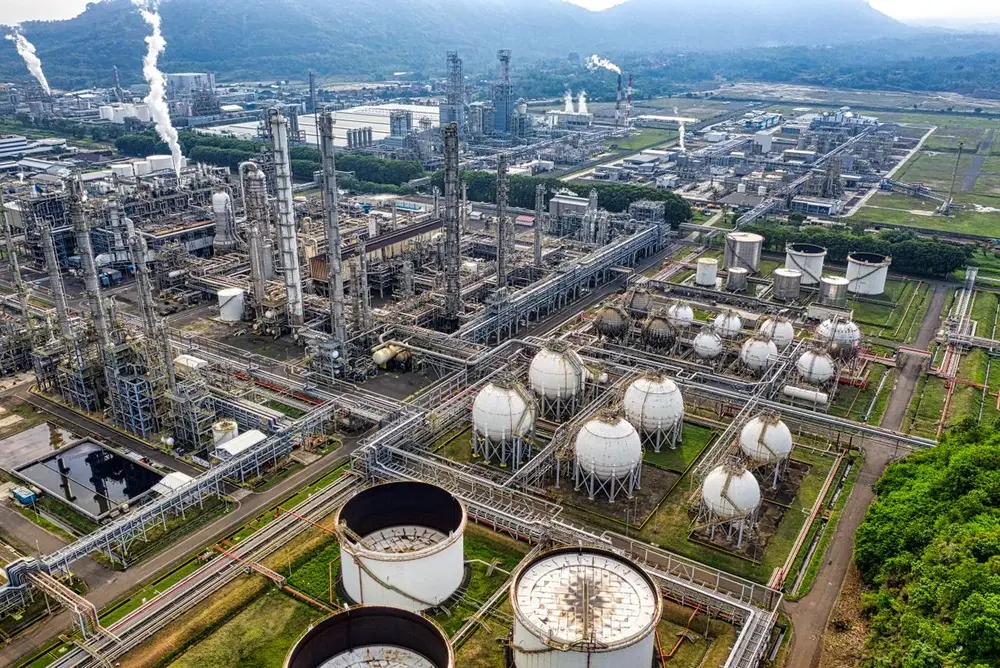
Energy companies contribute to economic development in ways that go beyond producing oil, gas or electricity. By investing in facilities, supply chains, technical skills and support services, they help create the conditions for other industries to grow. Their impact is seen not only in the energy they supply, but also in the businesses they support and the economic activities they make possible.
Moving energy from production to end users involves several connected stages. Resources must be processed, transported and stored. Each stage depends on suitable facilities, equipment, specialised services and skilled workers.
Building and Maintaining Energy Infrastructure
Energy production depends on physical assets that connect resources to the markets that need them. Pipelines, processing facilities, storage terminals, power plants, transmission networks and marine facilities all help move and deliver energy.
Building and operating these facilities requires investment, engineering skills, project management and suitable equipment. However, construction is only the beginning. Regular inspections, maintenance and upgrades are needed to keep facilities working safely and reliably.
Strengthening Supply Chains and Local Industries
Energy projects rely on many businesses, including equipment manufacturers, procurement companies, logistics providers, engineering contractors and specialist service providers.
When energy companies buy goods and services locally, they can create opportunities for these businesses, encourage investment and strengthen local industries. In Nigeria’s oil and gas industry, the Nigerian Content Development and Monitoring Board (NCDMB) provides a framework for increasing local participation. Its local content framework addresses areas such as human capital development, infrastructure and facilities, manufacturing, and the development of local suppliers.
This creates opportunities for more Nigerian businesses to participate in industry projects and develop the capacity to undertake increasingly complex work.
Developing Skills and Technical Expertise
Energy facilities need people with the right skills to design, operate and maintain them. Engineers, technicians, marine professionals and project managers all play important roles in keeping operations running.
Energy companies help develop these skills through training, professional development, knowledge sharing and partnerships with educational and industry institutions.
A skilled local workforce makes it easier to maintain existing facilities, use new technologies and handle more complex projects. It also strengthens the ability to carry out more technical work locally, reducing reliance on external support where local skills are available.
Supporting Wider Economic Development
The benefits of energy investment reach industries beyond the energy sector. Gas supplies can support manufacturing, while reliable electricity helps factories, cold-storage facilities and agricultural processing businesses operate. Fuel supply also supports transportation, distribution and other commercial activities.
These projects need more than energy production. Equipment must be sourced, vessels and other assets made available, fuel arrangements coordinated and qualified personnel deployed. Sealandair Group supports these operational requirements through its energy and marine activities, including procurement, project management, technical support, vessel fueling, vessel and equipment leasing, and manpower deployment.
The contribution of energy companies therefore extends beyond the resources they produce. Through sustained investment in infrastructure, local businesses and technical expertise, they help build the industrial capacity on which wider economic development depends.