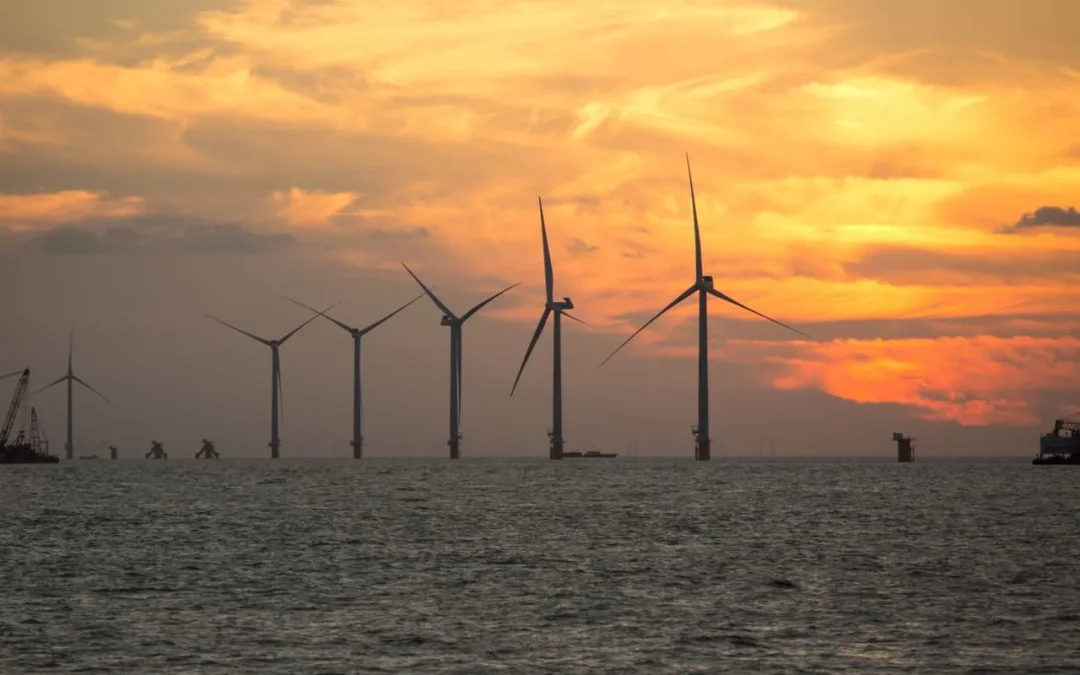
The shift towards cleaner energy is creating new demands across the offshore industry, especially as floating offshore wind moves closer to large-scale development. Unlike fixed-bottom wind farms, which use foundations attached directly to the seabed, floating turbines sit on buoyant structures held in place by mooring systems. This makes it possible to build wind farms in deeper waters where fixed foundations may not be suitable.
These projects need specialised vessels, skilled marine workers and careful planning. Towing floating structures, placing anchors, handling mooring systems and moving equipment all require complex marine operations.
For the oil and gas marine sector, this creates opportunities to use existing offshore experience in renewable energy projects. However, not every vessel used in oil and gas can serve the offshore wind industry. Its suitability depends on the work involved, its technical features and any changes or extra equipment needed.
The Growing Offshore Wind Industry
Floating offshore wind is receiving more attention from developers, governments and marine industry players. Because it can operate in deeper waters, it gives developers access to locations where fixed-bottom wind farms may not be practical.
However, the technology is still developing towards wider commercial use. In October 2026, the Global Wind Energy Council (GWEC), alongside more than 50 industry organisations, introduced an action plan to speed up floating wind development. The main goals include lowering project costs, improving access to finance and insurance, and building the infrastructure and supply networks needed to support the industry.
The size of the market is also becoming clearer. GWEC identified approximately 370 MW of operating floating wind demonstration projects, 2 GW of proposed projects with active offtake contracts and another 5.5 GW expected to enter future auctions. These figures represent different stages of development and should not be treated as confirmed projects ready for construction. However, they point to a growing pipeline that could create demand for the vessels, equipment and services needed to build floating wind farms.
For marine operators, the question is how much of the existing offshore supply chain can support this growing industry.
Where Oil and Gas Experience Meets Offshore Wind
The oil and gas industry has years of experience managing complex offshore operations. Anchor handling tug supply vessels (AHTS), multipurpose support vessels (MPSV) and other specialised vessels have supported drilling, floating production facilities and subsea work for decades.
Some of these vessels can also support floating wind projects. Suitable AHTS vessels, for example, may be used to tow floating structures, position anchors and handle mooring systems. MPSVs can also support offshore construction and the movement of equipment, depending on their design and capabilities.
Consider an AHTS vessel assigned to a floating wind mooring operation. Its towing capability, including bollard pull, and deck equipment may make it suitable for moving anchors and mooring materials. However, it must also have sufficient winch capacity, deck space and chain-handling equipment to carry out the work safely.
Floating wind projects may require larger anchors, heavier chains and substantial quantities of fibre rope. These demands can be beyond what some existing offshore support vessels were designed to handle.
Having offshore experience does not automatically mean a vessel is ready for floating wind work. Some vessels may need only minor changes, while others could require major upgrades or may not be suitable for the job.
The Equipment and Logistics Challenge
Vessels are only one part of the supply chain. Floating wind projects also require turbines, floating foundations, mooring systems, anchors and subsea cables to be moved between factories, ports and offshore locations.
Each task has its own requirements. Towing floating structures and handling mooring equipment require enough deck space, suitable winches and the right handling systems. Cable installation, on the other hand, may require specialised cable-laying vessels and equipment rather than conventional offshore support vessels.
This makes it important to check each vessel against the needs of a project before assigning it to a task. A July 2026 assessment by the American Bureau of Shipping (ABS), produced in collaboration with Intelatus Global Partners, examined the potential role of large AHTS and MPSV vessels in floating wind projects. It highlighted the need to assess existing vessel capabilities, possible upgrades and future fleet requirements as the industry moves towards commercial-scale development.
Other needs include suitable port facilities, available equipment and good planning. Even a capable vessel may not be useful if the right facilities and support services are missing. Building the floating wind supply chain will therefore require investment beyond the vessels themselves.
The Role of Flexible Marine Support
As offshore energy projects expand into new areas, operators need more than vessels alone. Fuel, equipment, technical services and skilled workers all play a part in carrying out marine operations.
Vessel leasing gives operators access to marine assets without having to own and maintain a large fleet. However, the type of work and the vessel’s technical features must be considered before any leasing decision, especially for specialised offshore activities.
Fueling and procurement are also important in both traditional and renewable offshore operations. Vessels working on floating wind projects still need reliable fuel arrangements, while equipment and materials must be sourced and delivered according to project needs.
At Sealandair Group, we support energy and marine operations through vessel fueling, vessel and equipment leasing, procurement, project management, technical support and manpower deployment. These capabilities address the practical requirements of offshore activities, helping connect marine assets, equipment and personnel with the demands of project execution.
Preparing for New Offshore Requirements
The use of oil and gas marine assets in floating wind projects will depend on careful vessel selection and a clear understanding of each project’s technical demands. Operators must assess available vessels, identify where upgrades are needed and consider whether the cost of adapting an asset makes commercial sense.
For oil and gas marine companies, this creates an opportunity to apply established offshore experience to new types of work. However, participation will depend on more than the availability of vessels. It will require the ability to adapt existing capabilities, invest where necessary and coordinate the resources needed to meet the demands of a changing offshore energy industry.