
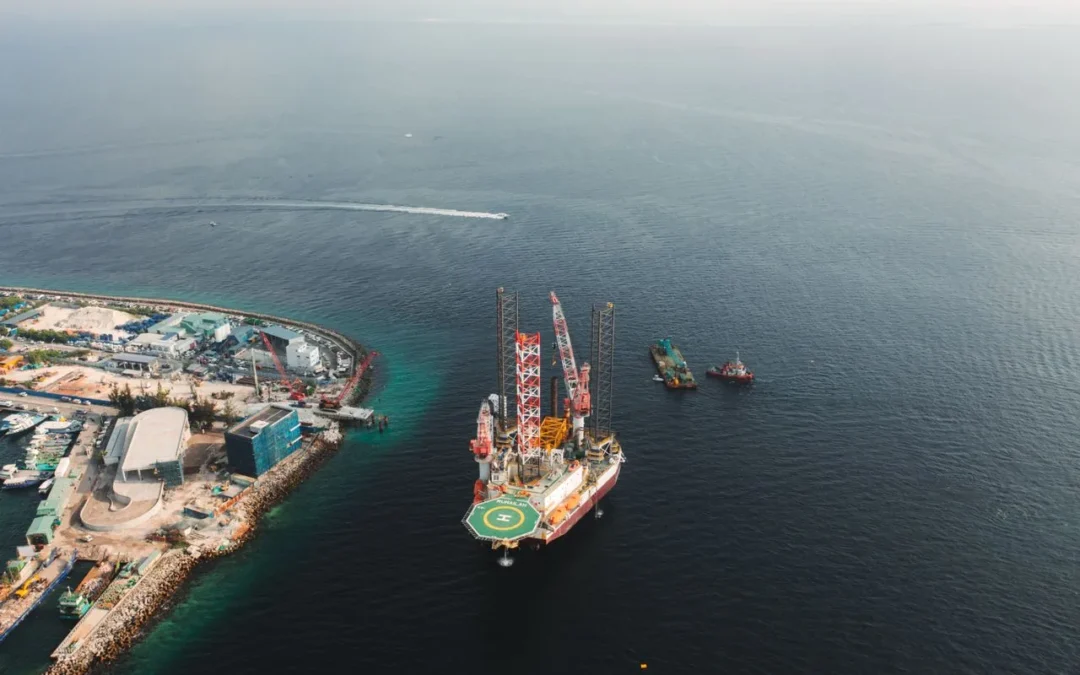
Moving from downstream activities such as refining, fuel distribution and trading into upstream oil and gas production is a major shift. Although companies may already have experience in procurement, commercial operations and supply-chain management, upstream development introduces new technical and operational responsibilities.
The transition requires an understanding of subsurface conditions, drilling, reservoir management and production operations. It also demands suitable infrastructure, technical expertise, investment and operational support. Shallow-water production offers opportunities for companies looking to enter offshore operations, but developing these opportunities requires careful preparation.
Moving Beyond Downstream Operations
Downstream companies often have experience in sourcing petroleum products, managing distribution networks, negotiating commercial agreements and coordinating logistics. These capabilities can provide a useful foundation for expansion.
However, upstream operations require additional expertise. Companies must evaluate geological data, assess reservoirs, plan drilling activities, manage well engineering and oversee production. These specialised activities require experienced technical teams and, in many cases, partnerships with established exploration and production operators.
The challenge is not simply entering another market. It is developing the knowledge, technical capacity and resources to manage a different set of risks and responsibilities.
Understanding the Shallow-Water Opportunity
Shallow-water fields are located offshore in relatively low water depths compared with deepwater developments. Their development can involve different production arrangements, including fixed platforms, wellhead platforms and subsea systems connected to existing facilities.
Where suitable production facilities and export infrastructure are already available, new developments may be connected to established systems. This can reduce the need for some standalone facilities, although available capacity, technical compatibility and commercial feasibility must first be assessed.
The choice of development approach depends on several factors, including water depth, reservoir characteristics, production requirements, available infrastructure and project economics. Some fields may also benefit from shorter distances to shore and access to established marine support networks.
However, these advantages do not automatically make shallow-water projects cheaper or less complex. Seabed conditions, reservoir performance, equipment requirements and the selected development method all influence the cost and difficulty of bringing a field into production.
Developing the Capabilities to Operate
Moving into offshore production requires more than securing an interest in an oil field. Companies need access to drilling equipment, production facilities, engineering services, marine assets and qualified personnel.
Procurement plays an important role in making these resources available. Equipment must meet technical specifications, arrive within project schedules and remain suitable for offshore conditions. Delays in sourcing critical materials can affect project timelines, while unsuitable equipment can create additional costs and operational problems.
Marine support is also essential. Vessels transport equipment, supplies and personnel, while specialist contractors provide technical services for offshore activities. Fuel availability, equipment readiness and personnel deployment must be properly coordinated to support continuous operations.
Companies without established upstream experience may need technical partnerships and specialist contractors to access the expertise and resources required. These arrangements must be supported by clear responsibilities and effective project management.
Managing the Challenges of Expansion
Upstream development involves significant financial and operational risks. Exploration may not result in commercially viable discoveries, while successful discoveries still require further investment in drilling, production facilities and supporting systems.
Projects can face delays caused by equipment shortages, weather conditions, technical problems and regulatory requirements. Once production begins, operators must continue managing maintenance, safety, environmental responsibilities and operating costs.
Partnerships alone do not remove these risks. Effective planning, proper oversight and coordination between operators, contractors and suppliers remain essential throughout development and production.
What This Means for the Wider Industry
As companies explore opportunities beyond downstream operations, demand can grow for engineering contractors, equipment suppliers, procurement specialists, marine operators and skilled personnel. This creates opportunities for local businesses to participate in offshore development and strengthen their technical capabilities.
The transition also places greater importance on the wider support network behind production. Access to suitable equipment, reliable vessels, technical services and experienced personnel can influence how effectively projects move from development to operation.
Ultimately, moving into shallow-water production is not simply a matter of expanding into another part of the energy value chain. It requires a clear understanding of the field, an appropriate development approach and the ability to coordinate the technical and operational resources needed to sustain production.