
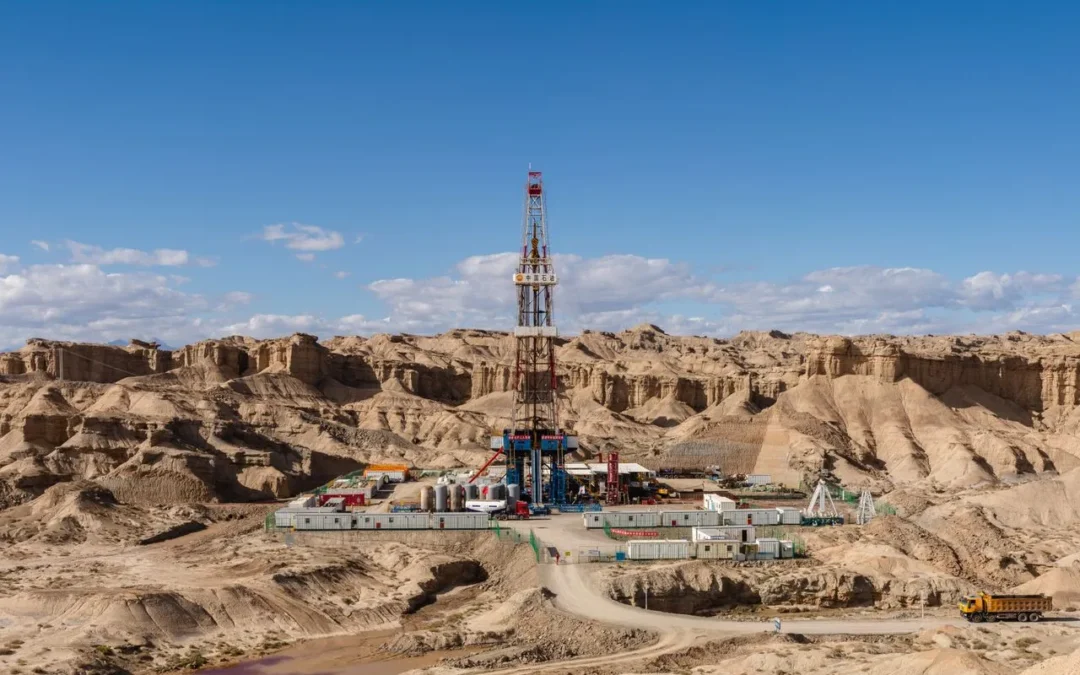
Energy projects are not always developed where infrastructure, suppliers and skilled labour are readily available. Some are located in isolated communities, difficult terrain, offshore environments or regions with limited road, power and communication networks. In these settings, project delivery involves more than completing the engineering work. Equipment, personnel, materials and support services must all reach the site at the right time and in suitable condition.
The distance from established supply networks creates logistical, technical and operational challenges that can affect project costs, schedules and performance. Addressing these challenges requires careful preparation from the earliest stages of development.
1. Logistics, Procurement and Equipment Availability
Moving equipment and materials to remote project locations can be complicated by poor road networks, limited port facilities, difficult terrain and weather conditions. Some projects require a combination of road, marine and air transportation before materials reach their final destination. In offshore and riverine environments, access may also depend on suitable vessels, navigable waterways and safe operating conditions.
These constraints make logistics planning an essential part of project execution. Transport arrangements must account for equipment dimensions, handling requirements, site accessibility and the sequence in which materials will be needed. A delay in delivering one critical component can affect several connected activities.
Procurement presents another challenge. Remote locations often have limited access to suppliers, storage facilities, equipment maintenance and replacement parts. Project teams may therefore need to identify long-lead materials early, assess supplier capacity and establish suitable inventory and replacement strategies.
Equipment selection is equally important. Machinery and materials must meet project specifications and withstand the environmental and operating conditions at the site. Where replacement equipment is difficult to obtain, poor procurement decisions can result in extended downtime, additional transportation costs and significant project delays.
2. Workforce, Infrastructure and Site Support
Remote energy projects depend on the availability of qualified personnel, but recruiting and deploying skilled workers can be difficult when project locations are far from established industrial centres. Engineers, technicians, construction workers and specialist contractors may need to travel long distances or work on rotational schedules.
Their deployment requires more than transportation. Accommodation, food, medical support, communication and emergency arrangements must be considered before mobilisation. Where local infrastructure is inadequate, temporary facilities may be needed to support personnel throughout the project.
Power and communication infrastructure are also important. Unreliable electricity can affect equipment operation, accommodation and site administration, while poor network coverage can make coordination between field teams, contractors and project management offices difficult. Backup power systems and alternative communication arrangements can help maintain essential operations.
The condition of surrounding infrastructure also influences how projects are executed. Limited access roads, inadequate storage facilities and insufficient waste-management systems may require additional investment before construction or production activities can proceed effectively. These requirements should be identified early so that supporting infrastructure is included in project planning and budgeting.
3. Risk Management and Operational Coordination
Remote project delivery involves uncertainties that can affect both schedules and costs. Weather disruptions, access restrictions, equipment failures, supplier delays and changing site conditions can interrupt planned activities. In locations where replacement materials and technical support are difficult to access, even relatively small problems may take longer to resolve.
Managing these risks requires realistic scheduling, proper contingency planning and coordination across the project supply chain. Procurement teams, logistics providers, marine operators, technical contractors and site personnel must work within a shared execution plan. Transport schedules should reflect construction requirements, while equipment and personnel must be available when their activities are due to begin.
Safety and environmental responsibilities also require particular attention. Limited access to emergency facilities can complicate incident response, making suitable medical arrangements, emergency procedures and trained personnel essential. Environmental management must also account for the sensitivity of the project location, with appropriate arrangements for waste handling, spill prevention and the protection of surrounding ecosystems.
These requirements highlight the importance of dependable operational support. Through its energy and marine activities, Sealandair Group contributes to the procurement, technical and logistical arrangements that help projects access the resources needed for execution.
Delivering energy projects in remote locations is ultimately a test of preparation and coordination. Engineering solutions alone are not enough. The resources, infrastructure and support systems needed to execute and sustain the work must be available when required. The ability to bring these elements together can make a significant difference to project delivery, particularly where access to essential resources cannot be taken for granted.