The global energy sector now operates in an environment where uncertainty is structural rather than occasional. Supply chains once designed for predictability are increasingly shaped by geopolitical instability, manufacturing delays, freight congestion, and volatile material costs. For energy operators, this results in project delays, rising costs, and heightened operational risk.
In this context, procurement has shifted from a support function to a strategic driver of project delivery. For companies like Sealandair Group, this shift defines how energy infrastructure is executed in practice, not just in planning.
A New Reality for Energy Supply Chains
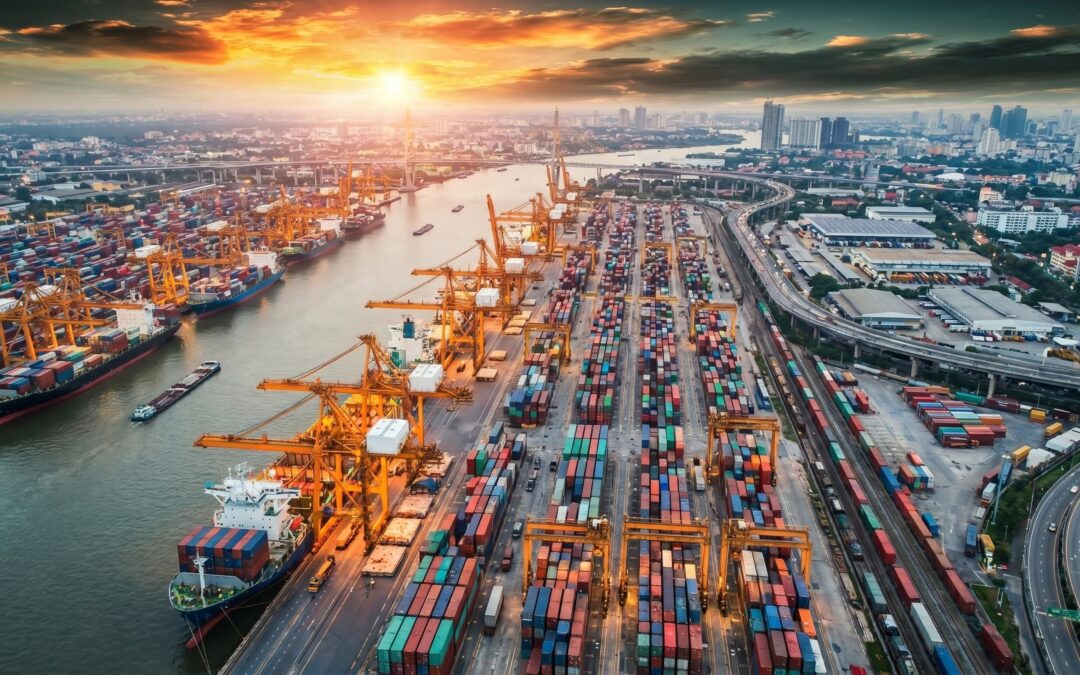
Energy infrastructure depends on a specialised global supply network. Key components such as offshore systems, subsea equipment, turbines, valves, and control technologies are sourced from multiple regions and coordinated into delivery schedules. This interdependence means disruptions in one region can affect project execution elsewhere.
Key pressures include:
- Shipping delays and port congestion
- Manufacturing slowdowns
- Trade restrictions and geopolitical uncertainty
- Rising material and logistics costs
- Longer lead times for specialised equipment
A delay in one critical component can stall installation, disrupt mobilisation, and push commissioning timelines, creating ripple effects across execution.
Cost Volatility and Procurement Limits
Cost instability is a major challenge. Prices for steel, fabrication inputs, shipping, insurance, and equipment fluctuate frequently, making planning more difficult.
Traditional procurement focused mainly on cost optimisation, but this is increasingly inadequate.
Low-cost sourcing becomes risky when:
• Delivery timelines are unreliable
• Supply capacity is constrained
• Production is disrupted
• Logistics routes are unstable
Procurement is shifting toward balancing cost efficiency with resilience and delivery certainty.
Procurement Strategy for a Volatile Environment
Modern procurement systems are designed to keep projects moving by anticipating and adapting to disruption.
- Proactive Supply Chain Intelligence
Monitoring markets and logistics routes helps identify risks early. - Diversified Supplier Networks
Multiple sourcing options reduce dependency and improve flexibility. - Integrated Procurement and Logistics
Sourcing is aligned with logistics and execution planning. - Operational Agility
Systems allow quick supplier changes, rerouting, and schedule adjustments.
Procurement as a Delivery Enabler
Procurement is now about ensuring reliable project delivery, not just acquisition.
Delays affect capital efficiency, contractor deployment, and project returns.
By embedding resilience, companies like Sealandair Group help operators:
• Maintain project timelines
• Reduce supply chain risk
• Improve cost predictability
• Strengthen execution confidence
Conclusion
Supply chain disruption is now a defining feature of energy development. Equipment shortages, logistics constraints, and cost volatility are reshaping project delivery. Procurement has therefore become a strategic function. Companies like Sealandair Group combine intelligence, diversified sourcing, integrated logistics, and agility to build resilience into delivery. In today’s energy sector, execution reliability is a key competitive advantage.