Procurement significantly influences the cost and performance of oil and gas projects. From drilling equipment and production components to marine assets and maintenance materials, every purchase must meet specific technical and operational requirements.
When purchasing decisions overlook equipment suitability, supplier capability or delivery requirements, the consequences can extend beyond the initial transaction. Poor procurement can affect project schedules, operational reliability, safety and the overall cost of execution.
The Hidden Cost of Choosing the Wrong Equipment
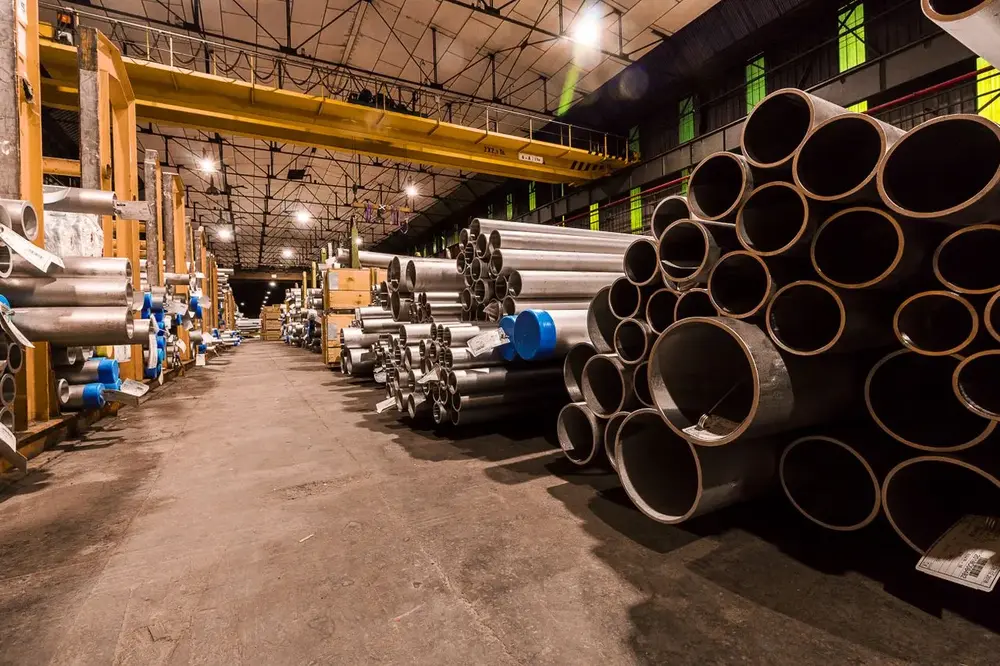
One common procurement risk is selecting equipment primarily on the basis of purchase price without adequately assessing its suitability for the intended application. In oil and gas operations, equipment must meet defined technical specifications and withstand the conditions in which it will operate.
A component that appears less expensive may have a shorter service life, require more frequent maintenance or fail to perform under expected operating conditions. Materials selected without adequate consideration of pressure, temperature, corrosion exposure or compatibility with existing systems can create additional maintenance requirements and operational risks.
The financial consequences often extend beyond the original purchase. Additional inspections, equipment replacement, repairs and operational interruptions can increase the total cost of ownership. What initially appears to be a saving may therefore become a more expensive decision over the life of the equipment.
Supplier Selection and Quality Assurance
The suitability of purchased equipment depends partly on the reliability and technical capability of the supplier. A supplier’s ability to meet specifications, maintain consistent quality and deliver within agreed schedules should be considered alongside price.
Inadequate supplier assessment can result in substandard materials, certification problems, inconsistent product quality or difficulties obtaining replacement parts. These issues can become particularly serious when dealing with specialised equipment required for critical operations.
Material traceability is another important consideration. Procurement teams need to establish that supplied materials can be linked to the appropriate specifications, manufacturers and quality records. This is particularly relevant for components used in critical systems, where incomplete documentation can create problems during inspection, installation and maintenance.
Quality assurance should therefore extend beyond receiving an order. Technical documentation, applicable equipment certifications, inspection records and conformity with relevant industry standards should be verified before equipment is accepted or deployed. The availability of spare parts and after-sales support should also be considered, especially where replacement components may be difficult to source.
How Procurement Delays Affect Project Execution
Oil and gas projects depend on the timely availability of equipment and materials. Procurement delays can affect construction schedules, drilling activities, maintenance programmes and the mobilisation of offshore resources.
Some equipment requires long manufacturing periods, specialised transportation or regulatory approvals before it can be delivered and installed. If procurement teams identify these requirements too late, essential materials may not arrive when project activities are scheduled to begin.
The impact can be particularly significant in offshore operations, where vessels, equipment, personnel and support services are often scheduled around specific operational windows. A delayed component can affect an entire sequence of activities, potentially requiring changes to vessel deployment, contractor schedules and other arrangements.
Effective procurement planning requires early identification of long-lead items, properly reviewed specifications and realistic delivery schedules. Procurement activities must also reflect the wider project programme so that equipment availability supports actual operational requirements.
Managing Procurement Risk Through Better Planning
Reducing procurement-related costs requires more than negotiating lower prices. It involves evaluating the full requirements of a purchase, from technical suitability and supplier reliability to delivery arrangements, documentation and future maintenance needs.
Engineering and procurement teams must work together to ensure that equipment meets required standards and is compatible with existing facilities. Planning for replacement parts and maintenance materials is equally important, particularly for projects operating in remote locations or offshore environments where sourcing alternatives may be limited.
At Sealandair Group, procurement forms part of the wider operational support provided to energy and marine projects. Aligning sourcing decisions with technical specifications, project schedules and operational requirements helps ensure that the resources procured are suitable for their intended applications.
The cost of poor procurement extends beyond the initial purchase. It can accumulate through project delays, additional maintenance, equipment downtime and operational disruption. Treating procurement as a strategic part of project execution allows organisations to evaluate purchases against their long-term operational and commercial implications, rather than focusing on acquisition costs alone.