
An energy resource can be valuable without being an attractive investment.
A gas field may contain substantial reserves, a power project may have generation capacity and an LNG development may have strong demand. But none of those factors alone determines whether the asset can create value. What matters is how efficiently it can turn its potential into revenue.
That depends partly on what surrounds it: the pipelines, processing facilities, grids, storage, ports and customers needed to move energy to market. These factors can determine how much additional capital is required, how quickly cash flow can begin and how much development risk remains before the asset can be commercially viable.
The question is therefore shifting from what can this asset produce? to what does it need to reach the market, what will that cost and how certain is the path to revenue?
Commercialisation Changes the Capital Requirement
Two energy projects with similar production potential can require very different levels of investment.
One may be located near existing processing capacity and an established market. Another may require new gathering infrastructure, a processing plant, transmission capacity or an entirely new route to customers before it can generate revenue.
The resource may be comparable, but the amount of capital required to bring it into commercial operation is not.
Using existing systems can reduce the number of new assets that have to be financed and constructed. It can also shorten the period between development and first revenue, reducing the amount of capital tied up before the project begins generating cash flow.
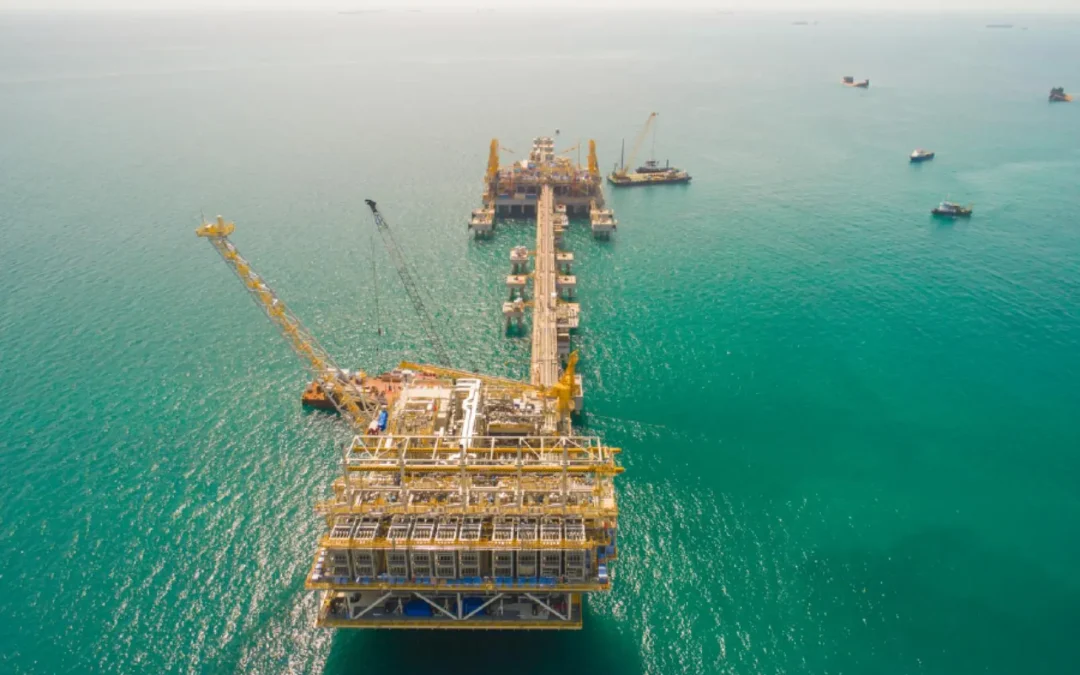
Nigeria’s recent Ima Gas Development illustrates this principle. TotalEnergies and AMNI took Final Investment Decision in September 2026 on a project that will connect the offshore Ima field through a 22-kilometre pipeline to Nigeria LNG. Production is expected to begin in 2028, with the field expected to supply about one-third of the gas required for the ongoing Nigeria LNG Train 7 expansion.
The field’s reserves are important, but so is the fact that the development has a defined route into an existing LNG system. That can reduce the amount of new infrastructure required before the resource can be commercialised.
The broader lesson is that the headline size of a resource does not reveal the full cost or complexity of turning it into an operating business.
The Route to Revenue Matters
Capital requirements are only part of the equation. An asset also needs a reliable way to convert production into sales.
A gas development may have reserves but insufficient evacuation capacity. A power project may be capable of generating electricity but still be waiting for a grid connection. An LNG development may have access to feed gas but depend on processing, storage and marine-loading capacity before it can export.
These constraints can delay cash flow, increase financing requirements and extend the period during which a project remains exposed to development risk.
Nigeria’s growing domestic gas market illustrates the issue. Domestic gas supply has recently surpassed 2 billion cubic feet per day, but additional infrastructure remains important if new supply is to reach power, industrial and other customers. Pipelines such as OB3 and AKK therefore matter not simply because they transport gas, but because they can determine whether additional supply can reach paying customers.
The same principle applies to electricity. In the United States, rising electricity demand is increasing pressure on existing grids and driving investment in transmission upgrades. The US Department of Energy recently announced almost $2 billion for 31 grid projects expected to make more than 23 GW of additional electricity capacity available through upgrades to existing transmission infrastructure.
The commercial question is therefore not simply whether new energy supply can be produced. It is whether that supply can reach a customer within a timeframe that supports the economics of the project.
What Investors Should Test
This makes infrastructure, capacity and market access part of the assessment rather than secondary technical considerations.
Four questions are particularly important.
- How much additional capital is required?
The cost of pipelines, processing, transmission, storage or export facilities can materially change the economics of a project. - When can cash flow realistically begin?
A resource that requires several years of supporting development has a different present value from one that can use existing systems and reach customers sooner. - Is sufficient capacity actually available?
Being close to a pipeline, grid or terminal does not mean the asset can use it. Available capacity, access arrangements, reliability and competing demand all matter. - How resilient is the route to customers?
An asset dependent on a single connection or buyer may be more exposed to disruption than one with alternative customers, transportation options or processing arrangements.
These factors can make two apparently similar energy assets very different investment propositions.
A project with strong production potential but significant development requirements may demand more capital, take longer to generate revenue and face greater execution risk. Another with comparable production potential but an established commercial pathway may offer greater visibility over when and how value can be realised.
For investors, the key question is not simply whether an energy resource is valuable. It is how much capital, time and risk stand between that resource and dependable cash flow.