
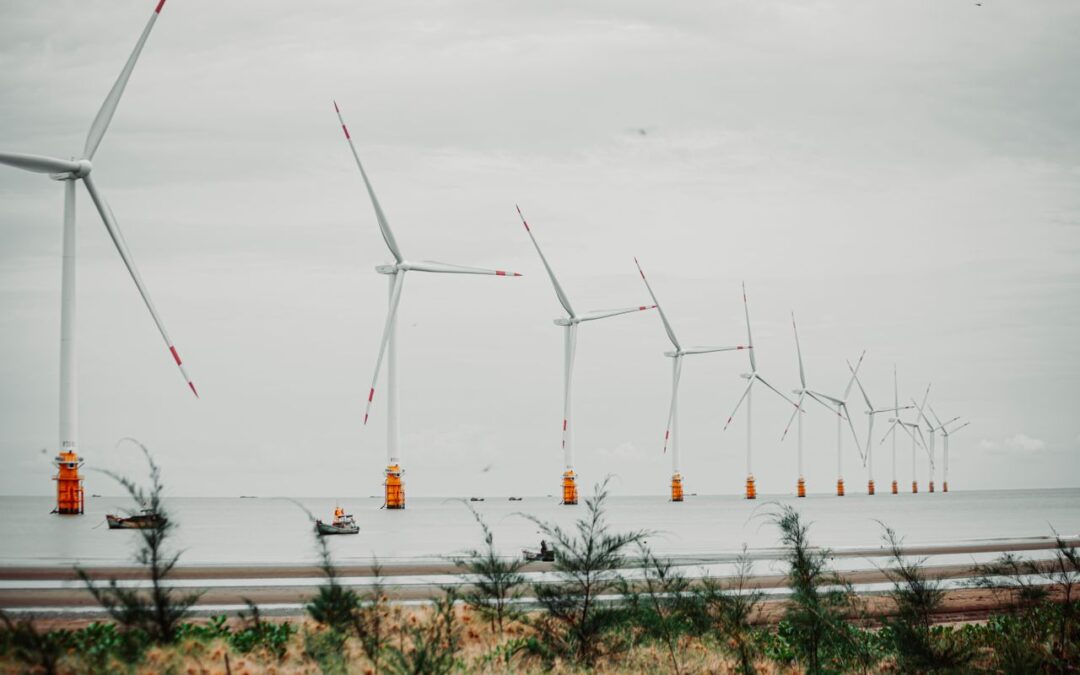
The energy transition is usually measured by what gets built: how much renewable capacity is added, how many batteries are installed, how many kilometres of transmission lines are commissioned and how quickly new technologies are deployed. But every new energy asset creates another question that receives considerably less attention: who will maintain it?
Solar farms, wind turbines, battery systems, transmission networks, substations and other energy infrastructure are not finished when construction ends. They have to be inspected, monitored, repaired, upgraded and eventually refurbished or replaced. As the energy system expands, so does the physical asset base that has to keep operating.
This creates a long-term operational requirement that sits behind the headline investment in new capacity.
More Assets, Longer Responsibilities
Much of the attention surrounding the energy transition is concentrated on deployment. Governments and companies announce new generation projects, transmission networks, battery installations and other infrastructure, while discussions about the transition often focus on how quickly these assets can be built.
But these assets are expected to operate for years or decades after commissioning.
A solar installation may require inverter replacement, electrical inspections, performance monitoring and other technical interventions. Wind projects require turbine inspections, component maintenance and specialist repairs. Battery systems require monitoring and component management, while transmission networks depend on the condition of lines, transformers, substations and protection equipment.
Existing energy infrastructure also remains part of the equation. As electricity demand grows and new generation is connected to the system, older networks have to continue performing while being upgraded or replaced.
The transition therefore creates two simultaneous requirements: building new infrastructure and keeping both new and existing infrastructure capable of supporting the system.
The need to maintain that growing asset base can be easy to overlook because it does not always produce the same headline announcements as new capacity. Yet it determines how much of that capacity remains available over time.
Reliability Depends on What Happens After Construction
An energy asset only creates value when it can perform its intended function.
A renewable power plant that is unavailable cannot generate electricity. A transmission line that is out of service cannot carry power. A battery that cannot respond when required cannot provide the flexibility for which it was installed.
Maintenance is therefore not simply an operational requirement. It is closely connected to reliability.
Preventive inspections can identify degradation before it becomes a failure. Monitoring can reveal changes in equipment performance. Planned component replacement can reduce the likelihood of unplanned outages, while access to specialist equipment and personnel can shorten the time required to restore an asset when something does fail.
This becomes particularly important as energy systems become more interconnected. A problem with one component can affect more than the asset itself. A transmission constraint can limit generation from otherwise available sources. The failure of a critical piece of equipment can affect connected customers or other infrastructure.
Reliability is consequently not determined only by how much capacity has been installed.
It also depends on how effectively that capacity can be kept available.
The Capability Behind the Assets
Keeping the infrastructure operating requires more than maintenance budgets. It requires people who can inspect equipment, interpret operating data, diagnose faults, carry out repairs and determine when an asset needs to be upgraded or replaced.
That can involve engineers, technicians, electricians, mechanics, digital specialists, marine personnel and other specialised workers.
The challenge becomes more complicated when assets are geographically dispersed or technically specialised.
A remote solar installation may require technicians to travel to site. An offshore energy asset may require vessels, marine crews and specialist equipment for inspection or intervention. A transmission network may require personnel qualified to work on high-voltage systems. Battery facilities may require technical expertise that was not previously common within a local energy workforce.
The question is therefore not simply whether the energy transition will create jobs. It is whether the industry will have the right capabilities in the right places when those assets need them.
That makes skills development, contractor capacity, specialist equipment and supporting logistics part of the wider infrastructure challenge.
A Second Economy Around the Transition
This requirement also creates an economic layer beyond the construction of new energy assets.
Every new asset creates recurring demand for the businesses and services that support it throughout its operating life. That can include inspection and testing, engineering, asset management, equipment supply, specialist contracting, logistics, vessel support, component replacement and technical manpower.
Construction activity may last months or years. The need to operate and support the resulting asset can continue for decades.
That changes the way the energy transition can be viewed commercially.
The opportunity is not limited to companies that manufacture or install new equipment. It also extends to organisations capable of keeping that equipment productive after commissioning.
For asset owners, this means long-term operating requirements deserve attention alongside construction cost and installed capacity. Maintenance requirements, availability of skilled personnel, access to specialist equipment and the resilience of supporting services can all influence how an asset performs over its useful life.
For service providers, meanwhile, the growing installed asset base creates recurring demand that can continue long after the original capital project has been completed.
The transition is therefore creating more than a new generation of energy infrastructure. It is creating a growing ecosystem of services around that infrastructure.
Building Is Only the Beginning
The energy transition will require enormous amounts of new infrastructure, but construction is only the first stage of an asset’s life.
What follows can be decades of operation, inspection, maintenance, intervention and eventual refurbishment or replacement.
That means considering maintenance when assets are designed, developing the skills required to operate them, securing access to specialist equipment and building the capabilities needed to support them over time.
The transition will not be sustained simply by adding more capacity. It will depend on whether that capacity remains available, reliable and economically useful throughout its operating life.
The energy transition is often described as a race to build the future. But once that future is built, someone still has to keep it working.