
Energy infrastructure is usually designed around a specific need: a field to develop, a volume to process, electricity to transmit or demand to serve. The design is shaped by the requirements that are known at the time, including expected production, capacity requirements, operating conditions and the infrastructure needed to connect the project to the wider energy system.
But energy projects rarely remain exactly as they were when the infrastructure was first designed. Production can increase, new fields can be developed nearby, demand can change and another project may eventually need access to the same system. Infrastructure that was originally designed for one set of conditions may therefore have to operate within a very different environment several years later.
That raises a different question: Is the infrastructure only capable of serving today’s requirement, or can it accommodate what comes next?
For infrastructure that may operate for decades, the answer can have consequences well beyond the original project. Decisions made during the initial design can determine whether an asset can be expanded, connected to another development or adapted to changing requirements without requiring major reconstruction.
Infrastructure Has a Life Beyond the Original Project
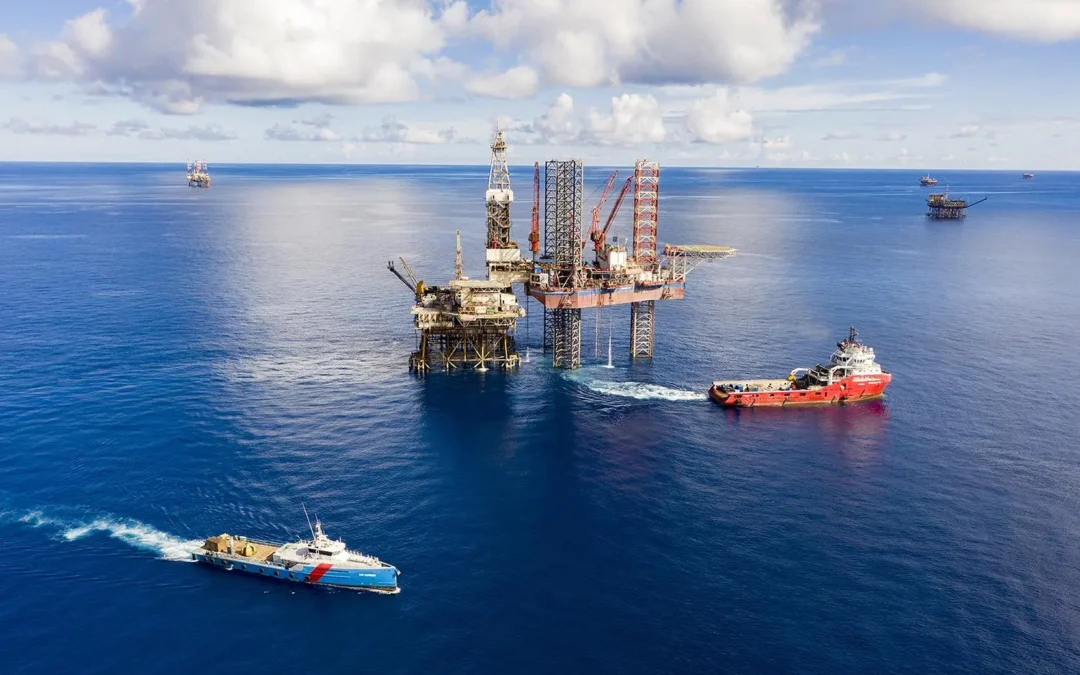
Large energy infrastructure can remain useful long after the conditions that justified its construction have changed. An offshore processing facility may initially serve one development but later support additional fields through tiebacks. A pipeline designed around one production profile may eventually carry volumes from other sources, while a power transmission line may become more valuable as new generation capacity is added to the network around it. The infrastructure itself may remain largely unchanged, but its role within the wider system can evolve.
This does not mean every asset should be built significantly larger than its initial requirement. Oversizing infrastructure can increase capital costs and create capacity that may never be used. The more important consideration is whether the infrastructure can accommodate reasonable changes in the system around it without requiring disproportionate investment later. That can influence decisions about capacity, connection points, equipment configuration, physical layout and the ability to modify or expand the asset as requirements develop.
A design that leaves no practical path for expansion may limit the options available to future operators. Conversely, infrastructure that has been designed with appropriate flexibility can allow new developments to make use of existing facilities rather than requiring an entirely separate system. Infrastructure therefore has to be considered not only in terms of what it supports today, but what it may be asked to support during its useful life.
Flexibility Has a Purpose
Unused capacity can appear inefficient when an asset first comes into operation. A processing facility that is not operating at full capacity, a pipeline carrying less than its maximum volume or a transmission system with room for additional power may initially look like underutilised infrastructure. From the perspective of the original project, however, that available capacity can provide something valuable: room for the system to change.
Additional production may become available, a nearby development may require access, demand may increase or an existing asset may need to operate differently during maintenance or disruption. In these situations, capacity that appeared unnecessary at the beginning can provide options later. The same principle applies to physical connections. An infrastructure system with practical points for future tie-ins can make subsequent developments easier to integrate than one designed as a closed system with little room for modification.
This is particularly relevant as energy systems become more interconnected. Oil and gas projects increasingly depend on shared processing, transportation and export infrastructure, while electricity systems must accommodate changing generation patterns and growing demand across interconnected networks. As more assets become connected, the usefulness of one piece of infrastructure can increasingly depend on how easily it can interact with the assets around it.
The objective is not to predict exactly what the future will look like. It is to avoid designing infrastructure that makes reasonable future developments unnecessarily difficult or expensive. The ability to accommodate additional volumes, connect another project or modify an existing system can provide value even when the specific future requirement is not yet known.
The Cost of Designing Only for Today
Infrastructure decisions can have consequences long after the original investment has been made. If a facility reaches its capacity shortly after a nearby discovery is developed, expansion may require additional equipment or major modifications. If a pipeline cannot accommodate additional volumes, another transportation solution may be required. If a power network lacks sufficient transmission capacity, new generation may not translate into additional electricity reaching consumers. In each case, the original infrastructure may still be functioning as designed. The problem is that the system around it has changed.
That distinction matters because expanding or replacing infrastructure later can be considerably more complicated than incorporating appropriate flexibility during the initial design. Retrofitting equipment may require shutdowns, engineering modifications, additional permits or new supporting infrastructure. A limitation that appears relatively small during the design stage can therefore become a much larger constraint once the asset is operating and other projects have been built around it.
The right approach is not simply to build bigger. It is to understand which parts of an infrastructure system are likely to change and where flexibility could create value over time. That might mean preserving space for additional equipment, designing connection points for future developments, allowing for additional processing capacity or ensuring that transportation and power systems can accommodate changing flows. The objective is to create enough flexibility to respond to realistic changes without turning every project into an unnecessarily oversized investment.
For operators and developers, this can turn infrastructure from a fixed solution for one project into an asset capable of supporting several stages of development. It can also reduce the need to rebuild systems when production expands, new developments emerge or demand changes.
Energy infrastructure is rarely judged only by how well it performs on the day it is commissioned. Its value can also depend on how well it continues to serve the system as that system changes. An asset that performs well today but leaves no practical options for tomorrow may eventually become a constraint, while infrastructure designed with appropriate flexibility can continue to support new activity as the surrounding energy system evolves.
The most useful infrastructure is not necessarily the infrastructure built for the biggest requirement today. It is infrastructure that leaves room for what comes next.