
Getting an oil or gas project into production is one of the industry’s biggest milestones. But first production is not the same as reliable production. A field can be developed, wells completed, facilities commissioned and production started, yet output can still fall below expectations or stop altogether. The reasons are rarely limited to the reservoir. Production depends on a chain of wells, equipment, processing systems, pipelines, evacuation routes, vessels, people and supporting infrastructure. When one part of that chain becomes unavailable, the effect can reach far beyond the original point of failure.
Production Can Be Constrained in More Than One Way
Not every production problem looks the same. A well may experience declining pressure or a mechanical problem. A processing facility may have an equipment failure, while a pipeline may become unavailable. An offshore installation may require unplanned maintenance, or production may be constrained because crude cannot be evacuated as planned. These problems occur at different points in the production system, but they can have the same consequence: fewer barrels reaching the market.
Nigeria’s recent production data illustrates how operational problems can translate into changes in national output. NUPRC reported that crude production fell by 4% month-on-month in July 2026, attributing the decline to operational challenges at the Erha and Akpo fields. In August, NUPRC reported a 0.4% month-on-month increase in combined crude and condensate production, with the improvement attributed largely to the resolution of Single Buoy Mooring operational challenges at Erha, after which normal production and evacuation operations were restored.
The important point is that the hydrocarbons did not suddenly disappear. The production system became constrained.
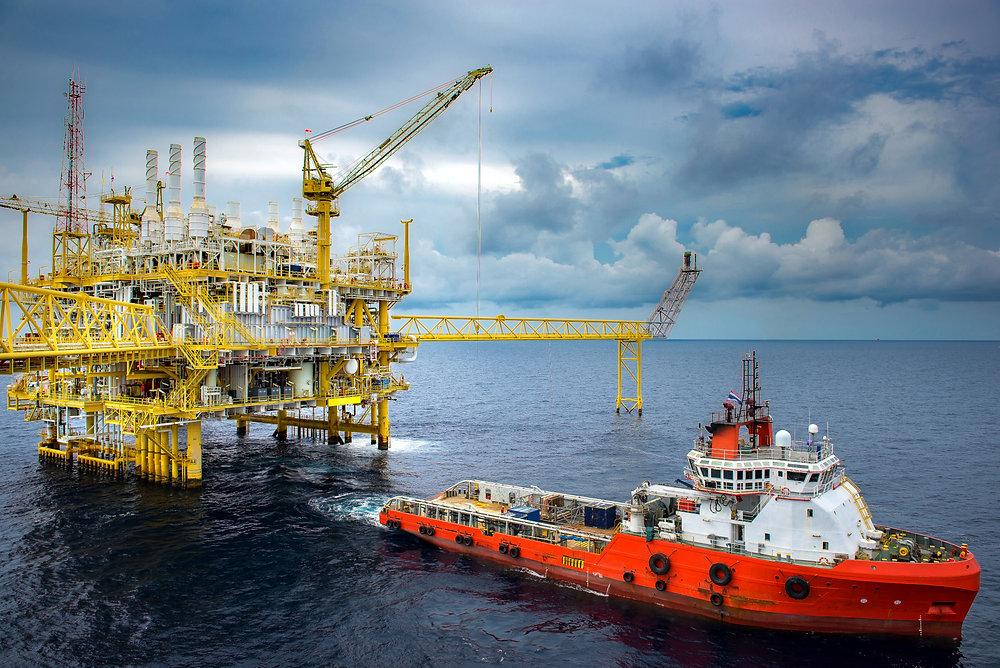
An operator can have a producing reservoir and functioning wells, but still be unable to deliver the expected volume if another part of the system cannot support them. Consider an offshore field. Production may depend on subsea equipment feeding an offshore facility, processing equipment separating and treating the fluids, a storage or export system receiving the crude, and marine or pipeline infrastructure moving it onward. If one critical component becomes unavailable, production may have to be reduced even when the reservoir itself is capable of producing.
The same principle applies to gas. A gas field’s output is connected to gathering, processing, compression, transportation and offtake. A constraint further along the chain can limit how much gas can be produced economically at the source.
This means production capacity is not simply a measure of what the reservoir can deliver. It is also a measure of what the entire system can handle.
Reliability Has to Be Built Into the Operation
Once production begins, the focus shifts from getting the project started to keeping it running. That requires continuous attention to asset integrity, maintenance, inspections, equipment availability and operational support. NUPRC’s recent production reporting has linked higher output with operational stability, effective maintenance and the absence of major pipeline outages. In June 2026, for example, the Commission said stable production operations and the absence of major pipeline outages supported improved production uptime and crude evacuation efficiency.
Production reliability therefore cannot be treated as something that only matters when something breaks. Maintenance planning, spare equipment, technical personnel, logistics and intervention capability all affect how quickly an operation can respond when something goes wrong. For offshore operations, the consequences can be even greater. Access to a failed component may require specialist vessels, offshore personnel, replacement equipment and carefully planned logistics. A relatively small equipment problem can therefore become a much larger production problem if the resources needed to resolve it are not available when required.
When production stops, the objective is not simply to repair the failed component. The operator has to determine what caused the failure, whether other parts of the system have been affected, what intervention is required and how production can be safely restored. That can involve inspection, workovers, equipment replacement, integrity assessments, engineering modifications, marine support and testing before the asset can safely return to normal operation.
The economics matter too. A short interruption may be manageable, while a prolonged shutdown can mean lost production, idle personnel and equipment, delayed deliveries and additional intervention costs. This is why production restoration deserves as much attention as production growth. Adding new barrels matters, but protecting existing production capacity is also critical to maintaining output.
Production Is a System, Not a Single Asset
The idea that production happens at the wellhead can obscure how much infrastructure sits behind every barrel. A production target can depend on the condition of a well, the availability of processing capacity, the reliability of evacuation infrastructure and the ability to mobilise the people and equipment required to keep everything operating.
The difference between June and July 2026 in Nigeria illustrates this dependency. NUPRC reported that June crude production increased 2.2% month-on-month, with stable operations and the absence of major pipeline outages supporting production uptime and crude evacuation. In July, operational challenges at Erha and Akpo contributed to a 4% decline.
That makes reliability a commercial issue as much as a technical one. The question is not only how much an asset can produce, but how consistently the entire system can turn that potential into actual production.
Production does not fail only when the reservoir fails. Sometimes, the failure is somewhere between the well and the market.