
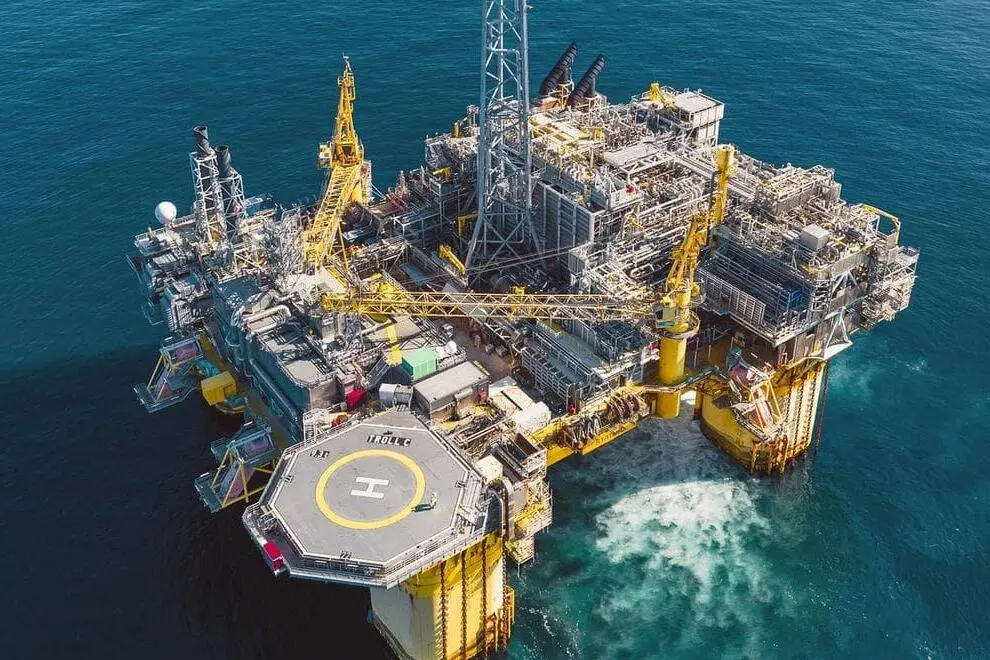
An idle energy asset can look like stranded capital. A shut-in well is no longer producing. A pipeline is operating below capacity. A processing facility may have equipment sitting unused. An offshore installation may still be in place long after the activity it was built to support has declined.
But inactivity does not necessarily mean the end of an asset’s economic life.
For operators, the more useful question is whether bringing an existing asset back into productive use can create more value than replacing it or developing an entirely new solution.
That answer depends on much more than the age of the asset.
The Value That May Still Be There
Assets become idle for different reasons.
A well may be shut in because of production constraints or a lack of suitable infrastructure. A facility may have become underutilised as production from a connected field declined. An offshore asset may still be technically capable of operating but no longer have enough activity to justify its original role.
Before deciding what happens next, operators need to understand what remains usable.
That can include the physical condition of the asset, its remaining operating life, available capacity, location and existing connections. It can also include the resources around it.
An underutilised processing facility, for example, may become more valuable if a nearby development can provide additional feedstock. A pipeline with spare capacity may become more useful when another field can connect to it.
This is why an asset’s value cannot always be assessed in isolation.
Existing Infrastructure Can Change the Equation
Developing a new energy project often means developing more than the production asset itself.
An offshore field may require production facilities, subsea infrastructure, pipelines, export arrangements, shore-based logistics and supporting services before it can generate revenue. If suitable infrastructure already exists nearby, some of those requirements may be reduced or integrated into the existing system.
This is where tiebacks and shared infrastructure become important.
Rather than developing every field as a completely standalone project, operators can sometimes connect new resources to existing facilities where capacity, condition and technical requirements allow.
Nigeria’s upstream regulator has identified shared facilities, open access, third-party access and field tiebacks as ways to reduce costs, speed up project delivery, maximise the use of existing infrastructure and help bring stranded oil and gas resources into production. NUPRC has also identified recovering shut-in volumes with economic value and arresting production decline as part of its production optimisation agenda.
The implication is important: an asset that appears less useful on its own can become commercially relevant when something changes around it.
A nearby discovery can give an underused pipeline a new purpose. Additional production can improve utilisation of existing processing capacity. An established offshore installation can provide infrastructure to support a new development.
The surrounding system can therefore change the value of the asset.
Revival Is Not the Same as Switching It Back On
Bringing an idle asset back into service can require substantial investment.
An operator may need to carry out integrity assessments, inspection, maintenance, engineering modifications, equipment replacement and regulatory work. Depending on the asset and its location, specialist vessels, technical personnel, logistics and other operational support may also be required.
That means an idle asset is not automatically a cheaper option than building something new.
The relevant calculation is broader: how much will it cost to restore and operate the existing asset, how much production or capacity can it support, how long can it remain useful, and what would a replacement require?
The answer can change significantly from one asset to another.
A relatively straightforward refurbishment may make sense where the surrounding infrastructure remains intact. A heavily degraded asset with limited remaining life may require so much investment that replacement becomes more practical.
The decision is therefore not about whether an asset is old. It is about whether enough useful value remains.
Looking Beyond the Asset Itself
This is particularly important as new offshore activity develops alongside existing infrastructure.
NUPRC says 22 major offshore projects are expected between 2026 and 2030, with an estimated investment potential of $30–50 billion. The regulator has also highlighted infrastructure sharing and field tiebacks as part of efforts to maximise existing infrastructure.
As new developments move forward, the industry will have to consider not only what needs to be built, but also what existing infrastructure can support those developments.
That could mean an idle facility finding a new role, an underutilised pipeline gaining additional throughput, or an existing field receiving investment to extend its productive life.
The same principle applies to the equipment and vessels supporting these projects. Equipment and vessels do not necessarily lose their value simply because one project ends. Their future usefulness depends on their condition, capability, location and the next project that can use them.
For operators and project developers, this makes asset evaluation a broader exercise than a technical inspection. Returning an asset to productive use can involve equipment sourcing, technical support, project management, logistics, marine requirements and personnel.
Reuse, Refurbish or Replace?
There is no universal answer to whether an idle asset should be revived.
Some assets may have years of useful life remaining. Others may require investment that cannot be justified by their expected output. In some cases, the best option may be to modify an existing asset or connect it to a new development. In others, starting again with new infrastructure may make more sense.
What matters is understanding the economics and operational realities before making that decision.
The energy industry’s next phase of growth will involve new projects, but it does not necessarily mean starting from zero every time.
Existing infrastructure can represent embedded capital, established connections and accumulated operational capability. Where those advantages remain usable, bringing an asset back into service can sometimes provide another route to production or capacity.
The question is not simply whether an asset is idle.
It is whether there is still enough value around it to make putting it back to work worthwhile.