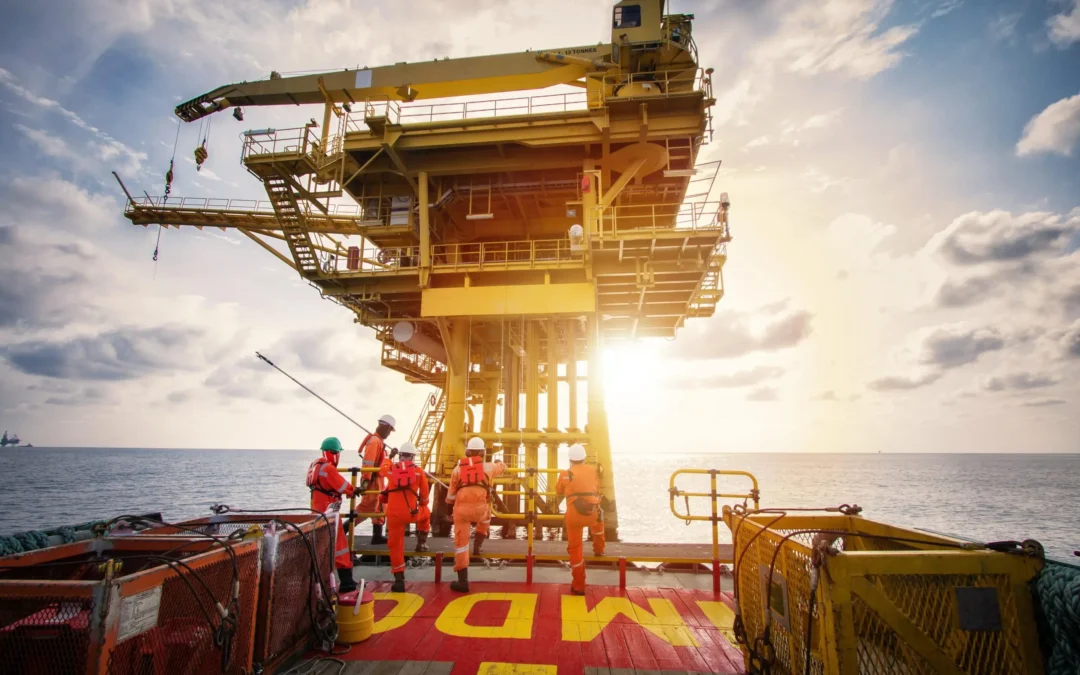
Offshore projects are often defined by their physical assets: vessels, platforms, equipment and technical systems. But behind every operation is another form of infrastructure that receives far less attention: the people who make those assets work.
Vessel crews, engineers, technicians, equipment operators, project teams and specialist contractors bring the experience and technical capability required to operate those assets effectively. Their importance becomes even more apparent offshore, where weather can change, schedules can shift and operational requirements can evolve. The right people provide not only the skills required for a task, but the experience to adapt when conditions change.
Yet offshore projects rarely rely on a single workforce. A typical operation can involve client personnel, vessel crews, contractors, specialists and external service providers. Each may be capable within its own area, but the overall operation can still lose efficiency when those capabilities are fragmented.
The problem is not always a lack of manpower. Sometimes, the manpower is there. It simply needs to work together.
When Capability Becomes Fragmented
The complexity begins when that capability is distributed across different organizations.
A client may have its own project team. A vessel operator provides the crew. Contractors supply specialist technicians, while other providers handle specific technical or logistical requirements. This structure is common in offshore operations and is often necessary to bring together the expertise a project requires.
The difficulty comes when these individual capabilities are not properly connected.
One team may be ready while another is still mobilizing. A vessel may be available while the personnel required for its next assignment are not. Equipment may be ready before the team that needs to operate it. Contractors may each be working effectively within their own responsibilities while their schedules do not fully align with the wider project timeline.
Consider a vessel scheduled for an offshore assignment. The vessel itself may be ready, but the operation may still depend on the right crew, technical personnel, equipment, fuel and logistical arrangements being available within the same operating window. If one of those elements is delayed, the availability of the vessel alone does not mean the assignment can proceed.
These are not necessarily failures of skill. They are failures of connection.
And because offshore activities are interdependent, those gaps can translate into idle resources, delayed operations, inefficient scheduling and additional project costs.
Often, the manpower exists, but it is fragmented.
Connecting the Parts of the Operation
Coordination turns separate capabilities into a functioning operation. It means understanding how people, vessels, equipment, logistics and project activities depend on one another, then aligning them around the same operational objective.
This goes beyond managing a personnel roster. It involves understanding when people are required, what resources they need, how their responsibilities connect with other teams and what needs to be ready before their work can begin.
In offshore environments, that alignment becomes particularly important because flexibility is limited. Weather, vessel availability, logistics constraints and project windows can make it difficult to correct poor planning at the last minute.
Sometimes the requirement is additional manpower. A project may need specialist expertise or additional capacity that is not available internally. In other cases, the capability already exists across the client’s workforce and contractors, but the different resources need to be better aligned.
This is where an integrated operational approach becomes valuable. Integration is not simply having multiple services. It is understanding how those services depend on one another and coordinating them around the same operational objective.
Manpower may depend on vessel availability. Vessel operations may depend on fueling and equipment readiness. Technical personnel may depend on procurement and logistics. When these requirements are considered together, the gaps between them can be addressed as part of the wider operation rather than as isolated problems.
This is where Sealandair Group’s broader capabilities become relevant. Its support for energy and marine operations extends across manpower deployment, full-service operations, vessel fueling, and short- and long-term equipment and vessel leasing or purchase. These capabilities are complemented by procurement, project management and technical support across the energy and power sectors.
The value is not simply in having multiple services available. It is in being able to consider them in relation to one another. Where additional manpower is required, it can be deployed. Where personnel and contractors already exist across an operation, those resources can be better aligned. Where manpower depends on vessels, equipment, logistics or technical support, those requirements can be considered together.
The objective is not always to add more resources. It is to make the resources already available work together more effectively, while providing additional capability where genuine gaps exist.
The people provide the capability. Coordination turns that capability into execution.