
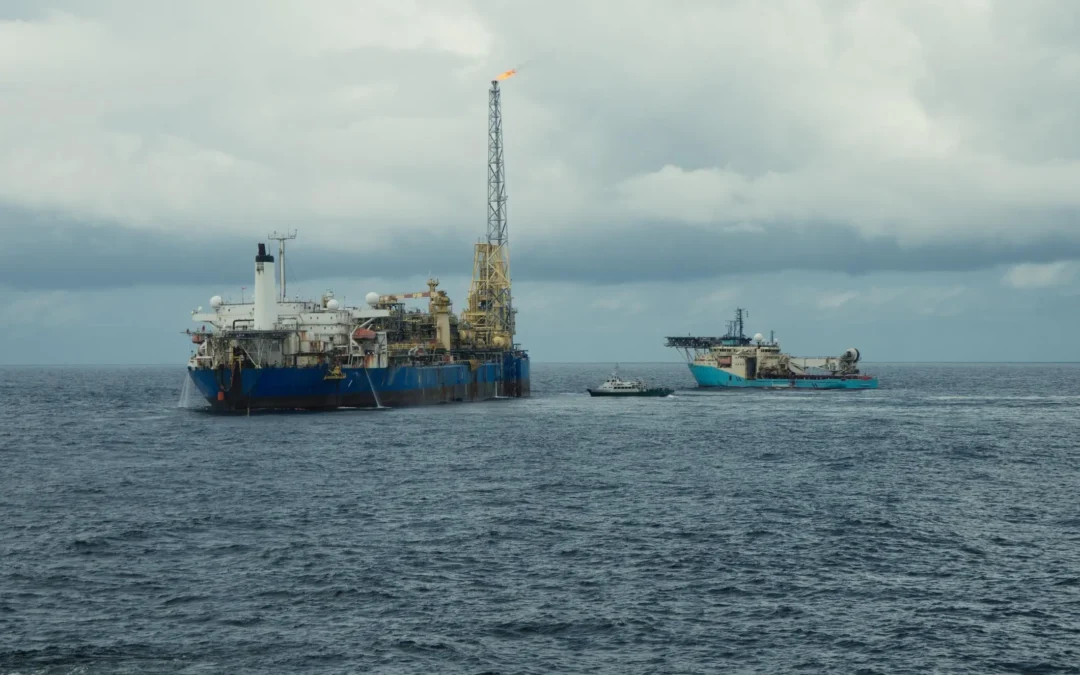
West Africa is attracting renewed attention from global energy investors.
From offshore oil and gas developments to growing investments in gas infrastructure, the region is positioning itself as one of the world’s most important energy frontiers. Governments are pushing to unlock new resources, operators are expanding offshore activity, and major projects are moving from planning to execution.
But while headlines often focus on production targets and investment figures, a less visible question deserves equal attention: Can West Africa’s maritime sector keep pace with this growth?
Offshore Growth Depends on More Than Energy Assets
Offshore projects do not operate in isolation.
Every drilling campaign, production platform, and subsea development relies on a network of vessels, ports, logistics providers, and skilled personnel working together behind the scenes.
Equipment must be delivered on schedule. Fuel must reach offshore assets when needed. Personnel must be mobilised efficiently. Cargo must move seamlessly between suppliers, ports, shore bases, and offshore installations.
As offshore activity increases, demand for these services increases alongside it.
The strength of the maritime ecosystem will play a major role in determining how efficiently future projects are delivered.
Growing Demand Brings New Challenges
Many maritime hubs across West Africa have supported offshore operations for decades. However, larger projects and increasing activity are placing greater demands on existing infrastructure and logistics networks.
Ports are handling more cargo. Operators require greater vessel availability. Supply chains are becoming more international and more complex.
At the same time, local content requirements are encouraging greater participation from regional businesses and workforces, creating both opportunities and additional coordination challenges.
Meeting these demands will require continued investment in maritime infrastructure, logistics capabilities, and workforce development.
Why Integrated Logistics Matters
As offshore operations become more complex, logistics is becoming a strategic advantage rather than a support function.
A critical piece of equipment may travel thousands of kilometres before reaching its offshore destination, passing through multiple transport modes, ports, and stakeholders along the way.
Managing these movements efficiently requires coordination, visibility, and experience across the entire supply chain.
At Sealandair Integrated Solutions, we support offshore operations through integrated sea, land, and air logistics services, helping clients move cargo, equipment, and personnel efficiently while reducing operational complexity.
As project timelines become tighter and supply chains become more demanding, this level of coordination becomes increasingly valuable.
The Opportunity Ahead
The growth of West Africa’s energy sector presents a significant opportunity for the region’s maritime industry.
Stronger ports, more capable logistics networks, skilled maritime professionals, and integrated support services will all be essential to supporting future offshore development.
The region’s energy ambitions and maritime capabilities are becoming more closely linked than ever before.
The question is not whether investment is coming.
The question is whether the maritime sector can evolve quickly enough to support the scale of opportunity ahead.