
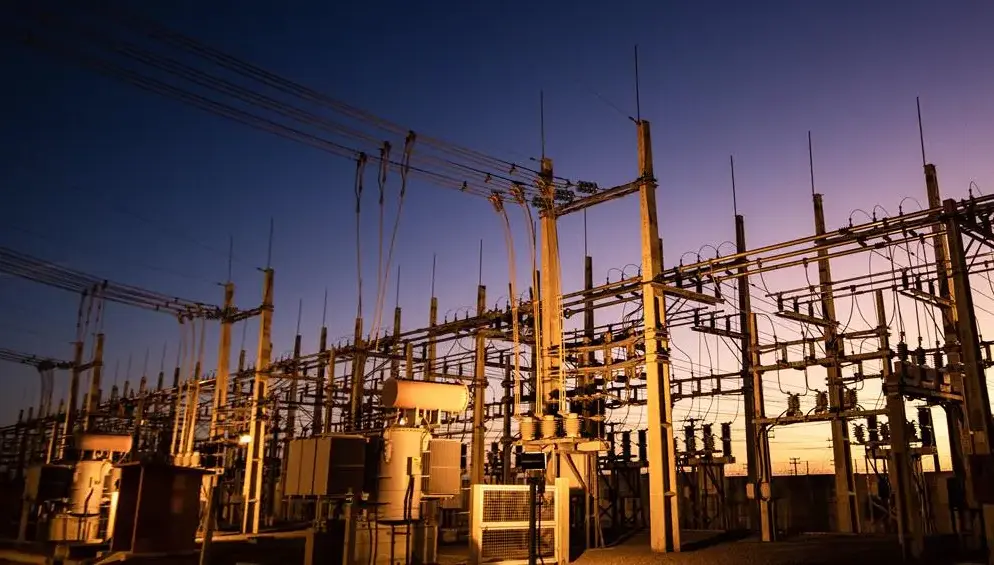
Global electricity demand is rising quickly. According to the International Energy Agency’s Electricity 2026 report, demand is forecast to grow by an average of 3.6% a year through 2030. In practical terms, the world is expected to add about 1,100 TWh of electricity demand each year through 2030, compared with about 700 TWh a year over the previous decade.
The IEA describes this shift as part of the “Age of Electricity.” But this is not only a story about more power plants, more generation capacity, or more megawatts. Rising electricity demand places pressure on the entire energy system. Power must be generated, but it must also be connected, supplied, transported, maintained, and delivered reliably.
As demand grows, the future of energy becomes less about capacity alone and more about whether the systems around that capacity can keep pace.
Demand Growth Is Also a Delivery Challenge
When electricity demand rises, the first response is often to focus on generation. That response is understandable. Gas-fired generation is projected to grow by 2.6% a year through 2030, while renewable generation is forecast to rise by around 8% annually. Grid expansion, storage, and related infrastructure are also becoming more urgent as power systems adapt to higher demand.
These numbers show that growth is happening across multiple parts of the energy system at the same time.
But energy projects do not become reliable power through investment announcements alone. They move through planning, procurement, mobilisation, construction, commissioning, and long-term operation before they begin to deliver value. A project may be financially viable and technically sound, but still face delays if critical components arrive late, specialist teams are unavailable, supply planning is weak, or site operations are not properly coordinated.
As demand grows, the margin for these delays becomes smaller.
For markets where power access, industrial activity, and infrastructure needs are still expanding, this is especially important. The challenge is not only to build new capacity. It is to make sure the support structure around that capacity is strong enough to move projects from planning to delivery.
This is where the energy conversation begins to widen. Generation remains central, but project delivery increasingly depends on the less visible systems around it. Equipment must be sourced early. Materials and crews must move on schedule. Field teams need the technical support and coordination required to keep work progressing when timelines tighten.
Bottlenecks Are Moving Beyond Generation
One of the clearest signs of this shift is the pressure around grid connection and project delivery. According to the IEA, more than 2,500 GW of renewable, storage, and large-load projects, including data centres, are currently stalled in grid queues worldwide.
That number matters because it shows that energy ambition is not the same as energy availability.
A project can be proposed, financed, and technically viable, but still fail to deliver power on time if the infrastructure around it is not ready. New capacity must be connected. Equipment must be sourced. Materials must move. Technical teams must be available. Operations must stay aligned with the project schedule.
This does not mean every project will face the same constraint. Some markets are improving grid planning, expanding supply chains, and using better technology to manage connection delays. But the broader lesson remains clear: as electricity demand accelerates, the reliability of the delivery chain becomes more important.
A delay at the port can affect mobilisation. A shortage of specialised parts can slow installation. A gap in field support can affect commissioning. A weak maintenance response can extend downtime. These issues may look small compared with the scale of energy investment, but they can determine whether capacity becomes available on schedule.
The IEA also notes that annual grid investment needs to rise by roughly 50% by 2030 to keep pace with demand. Yet capital alone will not solve the delivery challenge. Investment must be matched with execution capacity.
In other words, the future of energy will not be shaped by generation capacity alone. It will also be shaped by how well projects are supported across the full delivery cycle.
What This Means for Energy Delivery
For companies operating around energy, marine, and offshore environments, this shift carries a practical message: support services are no longer secondary to energy development. They are part of the infrastructure that determines whether projects move forward efficiently.
This is especially relevant where energy projects depend on coordinated activity across shore bases, vessels, suppliers, technical teams, and project sites. In these environments, reliability is built through planning, coordination, and readiness long before output is measured.
A strong delivery system does more than respond to problems. It gives projects a better chance of staying ahead of them. When resources are planned early, vessels and people are aligned with the work schedule, and technical support is available at the right point in the process, execution becomes less reactive and more controlled.
At Sealandair Integrated Solutions, this is the layer of energy delivery we understand. Our work sits around the practical systems that help projects stay prepared, coordinated, and capable of moving from plan to execution.
As the world demands more electricity, the pressure on energy delivery will continue to rise. Meeting that demand will require more than building capacity. It will require stronger systems behind the power, systems that can support projects, reduce delays, and keep energy moving when demand continues to grow.