
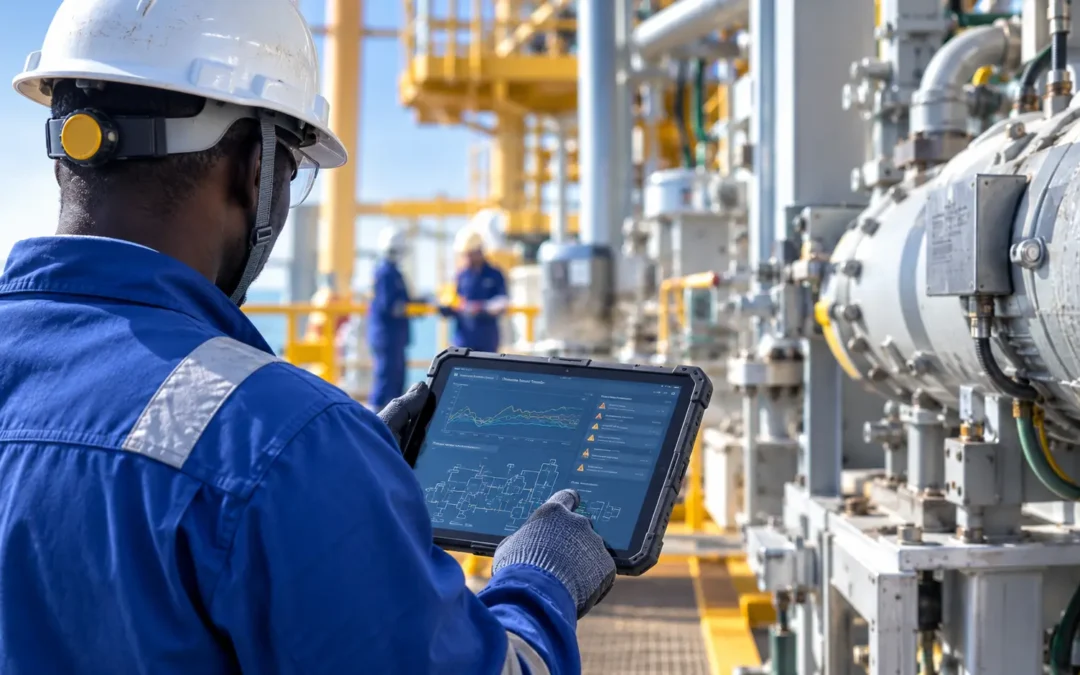
A critical system develops a fault during the commissioning of an energy project. The site team can share operating data, photographs, and alarm records with a remote specialist, but it is unclear whether the issue can be resolved without physical intervention.
The project must now decide whether to continue troubleshooting remotely or begin mobilising an engineer.
Remote support appears cheaper because it avoids travel, accommodation, mobilisation, and field allowances. On-site support appears more expensive because technical expertise must be moved to the project location.
But the costliest decision is often waiting too long to determine what the situation requires.
Technical support costs are driven less by where the engineer is located and more by how quickly the problem is diagnosed, how well the response is prepared, and whether the issue is resolved without unnecessary downtime or repeat mobilisation.
The Biggest Cost Is Waiting
Mobilising a specialist may involve travel, permits, certification, transportation, and site access. For offshore or remote locations, vessel schedules, weather conditions, and crew movements can add further complexity.
A repair that takes only a few hours may therefore require several days of preparation and travel.
Remote support removes many of these expenses, but it is not automatically the cheaper option.
When a critical system remains unavailable, every additional hour can affect production, commissioning schedules, contractor productivity, equipment utilisation, and wider project milestones. Several days of unsuccessful remote troubleshooting may cost more than mobilising the right specialist early.
The engineer’s fee and travel expenses therefore represent only part of the calculation. The greater commercial question is how long the project remains exposed while the issue is unresolved.
Remote support creates the most value when it accelerates the mobilisation decision rather than postponing it. By reviewing operating data, alarms, drawings, and maintenance records, a specialist may resolve the issue remotely or identify early that physical intervention is required.
Problems begin when troubleshooting continues after the evidence already points towards an on-site repair. The project may eventually mobilise the specialist anyway, but only after losing valuable time before the journey begins.
By then, it has incurred both the cost of delay and the cost of mobilisation, without gaining the speed of early deployment or the savings of successful remote resolution.
Preparation Determines First-Time Resolution
Effective technical support depends on more than access to an experienced engineer.
Remote diagnosis requires accurate equipment information, reliable communication, and capable personnel at the project site. Without these conditions, the specialist may be working with incomplete information.
On-site support faces a similar challenge.
An engineer may arrive and discover that the required spare part is unavailable, the correct tool has not been provided, the work permit is incomplete, or another technical discipline is needed.
The engineer has reached the site, but the project is still unprepared for the repair.
This is where technical support becomes an execution issue rather than simply an engineering issue.
A successful response depends on diagnosis, procurement, logistics, manpower, documentation, and equipment readiness working together. When one element is missing, the project may require another mobilisation or an extended period of downtime.
The cost of the first mobilisation is visible. The cost of repeating it is often hidden across contractor standby, delayed schedules, additional transportation, and lost operating time.
Remote assessment can reduce this risk even when it cannot complete the repair. By confirming the likely fault, identifying the necessary parts and tools, and preparing the site team, it improves the likelihood of first-time resolution.
Technical Support Is an Execution Function
Remote troubleshooting may be sufficient for software settings, alarm reviews, equipment trends, documentation, and guided inspections. Mechanical repairs, equipment replacement, calibration, testing, safety isolation, and direct inspection will still require field expertise.
Many incidents, however, fall between these categories.
In such cases, remote diagnosis can begin while mobilisation is being prepared. If the issue is resolved remotely, the deployment can be reduced or cancelled. If physical intervention is required, the engineer arrives with a clearer diagnosis and a worksite that is ready for intervention.
This approach is especially valuable during commissioning, shutdowns, and other time-sensitive phases where one unresolved fault can delay several contractors or hold back the next stage of work.
It also allows specialist expertise to be deployed more efficiently. Senior specialists can support several projects remotely, while qualified site personnel handle inspections and routine procedures. Physical deployment can then be reserved for complex, safety-critical, or hands-on work.
The objective is not to eliminate on-site support or move every technical function online. It is to coordinate expertise, equipment, personnel, procurement, and logistics around the fastest reliable path to resolution.
This integrated approach reflects how complex energy projects are executed. By connecting technical support with procurement, logistics, project management, manpower, equipment readiness, and operational coordination, Sealandair Group helps project teams reduce downtime and restore operations more efficiently.
The question is not simply whether remote or on-site support is cheaper.
On complex energy projects, technical support is not measured by how quickly an engineer travels. It is measured by how quickly the project returns to execution.