
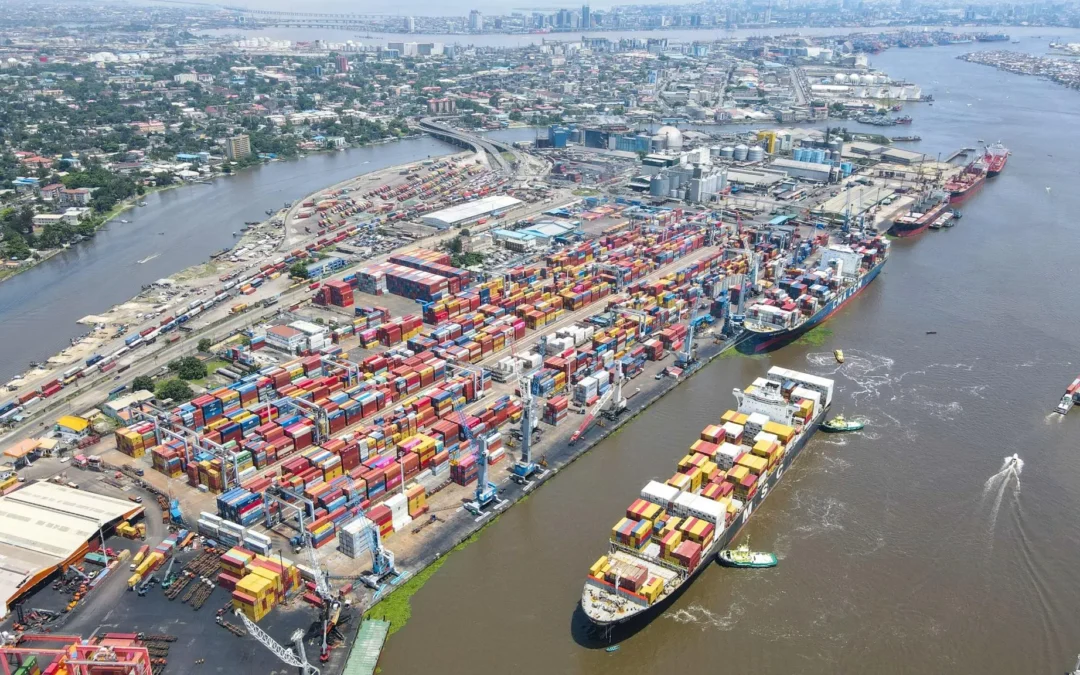
In offshore logistics, many of the most expensive offshore delays begin before offshore execution starts.
They begin at the port, where offshore timing meets systems that were never designed to operate on the same clock.
A rig move in West Africa planned around a short weather window. An FPSO shutdown dependent on sequenced cargo, personnel, and vessel readiness. A SIMOPS operation requiring multiple vessels to arrive and work within a single offshore slot.
Individually, everything can look ready.
The challenge is that readiness is not synchronized.
Where things start to drift
Port operations are typically optimized for throughput and compliance rather than offshore project urgency.
Terminal operators typically balance berth utilization, traffic demand, and operational efficiency. Customs processes cargo based on compliance rules that do not shift for operational urgency. Shipping agents work through documentation cycles that follow administrative timelines. Charterers optimise vessel deployment across multiple commercial and offshore commitments.
Each system works correctly on its own terms.
The problem is that offshore operations depend on all of them aligning at the same time.
That is where the drift begins.
A vessel supporting an offshore project can be delayed because berth priority shifts to higher-traffic commercial shipping. Critical offshore equipment can sit in clearance even when it is required urgently offshore. Fueling schedules can move based on terminal availability rather than vessel departure timing.
Nothing is technically wrong. The timing simply stops matching offshore reality.
The real problem is not delay
Most offshore disruptions are not caused by a single failure.
They are caused by small timing mismatches across multiple dependent activities.
Cargo may arrive but not in the correct sequence for offshore lifting. Documentation may clear after vessel readiness has already been scheduled. Fuel may be available but not aligned with departure timing. Crew movements may be approved but disconnected from vessel availability.
Each step works within its own system and its own timeline.
Offshore operations do not have that flexibility.
In West African offshore environments, this becomes more visible. Port infrastructure is shared across offshore support vessels, commercial traffic, and multiple active campaigns. This means delays do not stay contained. They spread across other schedules competing for the same limited resources.
A small disruption in one place can quietly shift several others.
Why execution windows matter
Offshore logistics does not run as a continuous flow. It runs within execution windows.
These windows are often defined by the alignment of weather, vessel readiness, port completion, and offshore requirements.
When they align, operations proceed. When they do not, the opportunity is lost.
A delay of a few hours at port can result in missing a weather window offshore. A small sequencing issue can push a rig move outside its usable period. A clearance delay can disrupt an entire SIMOPS operation that cannot simply be restarted later.
This is what makes offshore logistics different from most supply chains.
It is not only about moving cargo or vessels.
It is about ensuring that every element arrives within the same usable moment.
At Sealandair Integrated Solutions, this is where our focus sits. We support offshore operations through vessel support, fueling coordination, equipment movement, and logistics execution that connects port activity with offshore requirements.
The goal is not to speed up individual steps.
It is to make sure the steps still fit together when it matters.
Because in offshore logistics, capability is rarely the issue.
Timing is.
And when timing breaks, it stops aligning.