
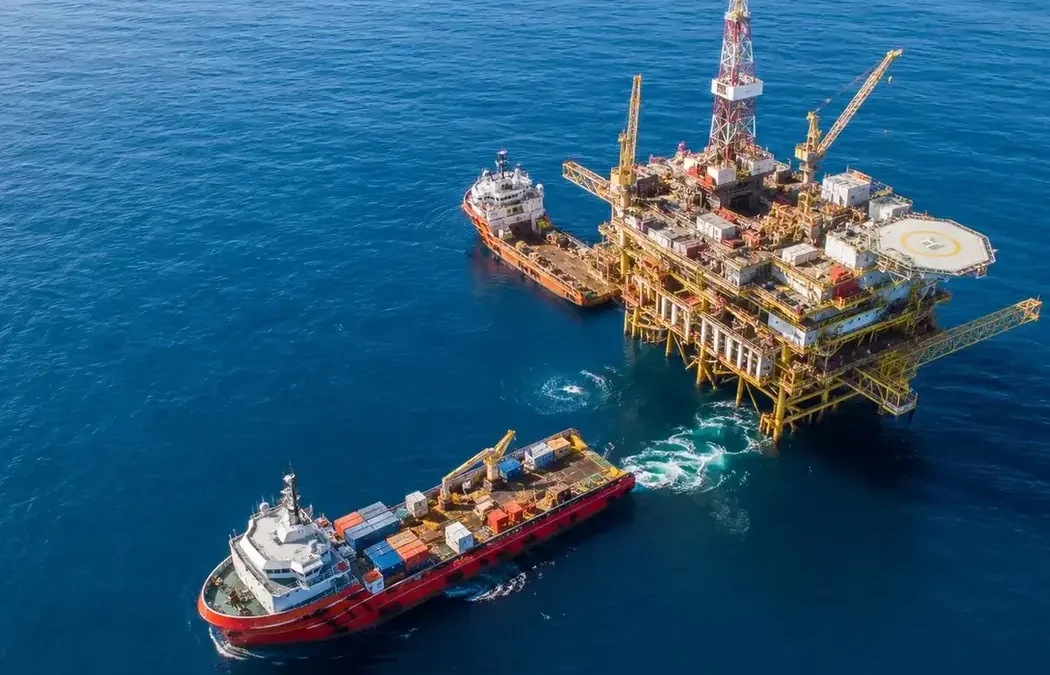
An offshore asset may be only a few hours from port. The vessel may be available, the cargo may be ready, and the personnel may already be at the shore base. Yet the operation can still be delayed for days.
The destination is close. So why can the project not proceed?
The answer is that offshore operations are not controlled by distance alone. They are controlled by weather windows, vessel schedules, port readiness, permits, tides, equipment availability, crew rotations and the sequence of work taking place offshore. Every resource must become available at the same time, not simply arrive at the same location.
Where Time Is Lost
A vessel can travel quickly and still arrive too late to complete the work.
Many offshore activities, whether lifting, inspection, maintenance, personnel transfer or equipment installation, depend on environmental conditions that remain within strict operating limits. Wind, waves, currents and visibility must remain suitable for the vessel, equipment and activity involved.
A task that requires only a few hours offshore may therefore depend on a much longer period of suitable conditions. The vessel must sail, position itself, prepare for the activity, complete the work and maintain enough contingency time before conditions change.
If cargo is delivered late, an inspection remains incomplete or a permit is not approved on time, the project may miss the entire operating window.
The result is stranded readiness: every major resource may be available, but the operation cannot begin because one critical dependency remains unresolved. Offshore readiness is only as strong as the least prepared part of the operation.
Vessel schedules create another constraint. Offshore support vessels often operate within fixed charter periods and interdependent work programmes. A delay on one assignment can compress the mobilisation period for the next. At the same time, a project that is not ready when the vessel arrives may incur standby costs while documentation, cargo, fuel or personnel are still being organised.
The most suitable vessel is therefore not always the one closest to the worksite. It is the vessel with the right capability that can be prepared and deployed within the required operational period.
The Offshore Schedule Starts Onshore
Many offshore delays begin before the vessel leaves the port.
Equipment may still be awaiting certification. Materials may not have cleared customs. Cargo may be staged in the wrong order. Personnel may arrive without the required documentation. Fuel, provisions, tools or replacement components may not be ready when loading is scheduled to begin.
Each delay consumes part of the operating window the project depends on.
This is why shore-based coordination is critical. Procurement, cargo preparation, inspections, manpower, vessel fueling, technical support and port activities must all be organised around the offshore schedule.
The objective is not simply to move people and equipment offshore. It is to ensure every resource is ready when the operating window becomes available.
The challenge is therefore not simply preparing individual resources. It is coordinating them as one operational system.
This is where integrated project support becomes valuable. By connecting project management, technical support, logistics, manpower and vessel operations, Sealandair Integrated Solutions helps clients manage the operational interfaces that determine whether offshore resources become operational capability or remain delayed at the shore base.
What Ultimately Determines Offshore Success
Offshore project complexity cannot be measured in kilometres or nautical miles alone.
A nearby project can become difficult when its weather window is narrow, its vessel schedule is compressed or one critical resource is unavailable. A more distant project can proceed efficiently when every activity has been properly aligned.
The real measure is readiness.
Offshore projects succeed when cargo, personnel, equipment, documentation, technical support and vessel operations converge at the precise moment the work can be performed.
Offshore projects are rarely constrained by distance alone. They are constrained by how well every dependency is aligned before offshore work begins. In an environment defined by narrow operating windows and interconnected activities, successful execution ultimately depends on timing, readiness and coordination.