
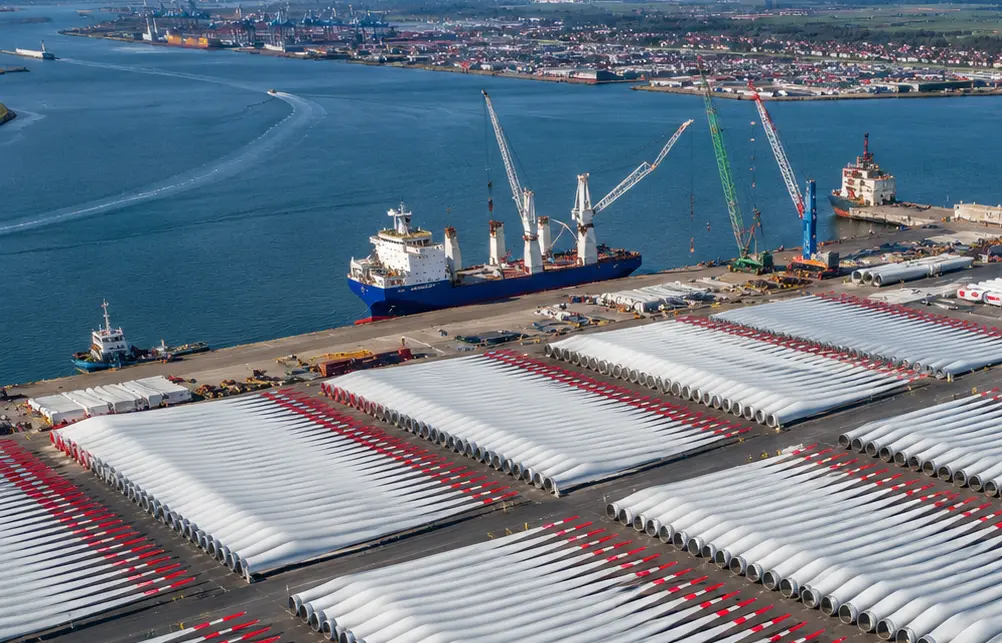
A wind turbine may be manufactured in one country, assembled with components from several others, shipped through a specialised port and installed hundreds of kilometres away.
Before it generates electricity, dozens of organisations may already have influenced its delivery.
Renewable technology is becoming easier to manufacture. Delivering renewable energy projects successfully is becoming increasingly difficult.
The Technology Is Only One Part
Solar panels, wind turbines and battery systems are often described as modular technologies. Their capacity can be increased by adding more units, creating the impression that renewable developments are straightforward.
The equipment, however, is only one part of the delivery process.
A utility-scale project may require permits, grid studies, engineering design, procurement, customs clearance, transportation, civil works, installation, testing and commissioning.
These activities are closely connected. Late design approvals can delay procurement. Equipment shortages can disrupt construction. Unresolved grid requirements can postpone commissioning.
The technology may be modular. The delivery system surrounding it is not.
The Real Challenge Is Managing Interfaces
Renewable developments bring together manufacturers, EPC contractors, utilities, regulators, financiers, logistics providers and technical advisers.
Each works to its own contract, schedule and priorities. The difficulty lies in aligning those separate responsibilities within one delivery programme.
A supplier may depend on approved specifications. The logistics team needs confirmed dimensions and delivery dates. The port must be prepared to receive the equipment, while the construction team needs the site ready before it arrives.
Even when individual organisations perform effectively, delays can still occur if the interfaces between them are not properly managed.
Logistics Is Part of Execution
Renewable energy equipment is often large, specialised and sourced through international supply chains.
Wind turbine blades, transformers, battery containers and electrical systems may require special handling, storage and transportation. Offshore developments may also depend on specialist vessels and ports with suitable lifting capacity.
These requirements must be considered during procurement, not after it.
Equipment specifications influence shipping methods. Shipping schedules affect port planning, while transportation requirements shape site access, lifting plans and installation sequencing.
Customs delays can increase storage costs, disrupt contractor schedules and affect installation windows.
Procurement secures the equipment. Logistics ensures it reaches the project in the condition, sequence and timeframe required for execution.
Planning both functions together reduces the risk of idle contractors, additional storage costs and missed installation windows.
Project Management Connects the Delivery Process
On complex renewable developments, project management extends beyond controlling schedules and budgets.
It connects engineering decisions with procurement, logistics, construction, technical support and commissioning.
A revised equipment specification, for example, may influence shipping requirements, customs documentation, site preparation and testing plans. Without clear oversight, one change can create delays across several workstreams.
Effective project management ensures that changes, risks and external constraints are communicated to the teams they affect.
It turns technical, commercial and operational information into coordinated action.
Completion Extends Beyond Construction
Finishing construction does not mean the asset is ready to operate.
The facility must still complete testing, satisfy utility requirements, obtain approvals and prepare for long-term operation. Documentation, technical support, operator readiness and outstanding defects must all be addressed before handover.
A renewable asset that cannot connect to the grid or begin commercial operation has not yet delivered its intended value.
Execution must therefore continue through testing, commissioning and operational readiness rather than ending when physical construction is complete.
Integrated Execution Is Becoming Essential
The challenge is no longer simply building renewable energy assets. It is coordinating engineering, procurement, logistics, technical support and commissioning as one connected delivery system. That is why integrated project execution is becoming increasingly important.
This is where integrated project support creates value. By bringing together project management, procurement, logistics, technical support and operational coordination, Sealandair Energy helps clients manage the interfaces that keep complex renewable and energy projects moving efficiently from planning through commissioning to operation.
Renewable energy projects may begin with panels, turbines and batteries. Their success increasingly depends on how well the interfaces between engineering, procurement, logistics, construction and commissioning are managed.
As those interfaces become more complex, project execution becomes just as important as the technology itself.