
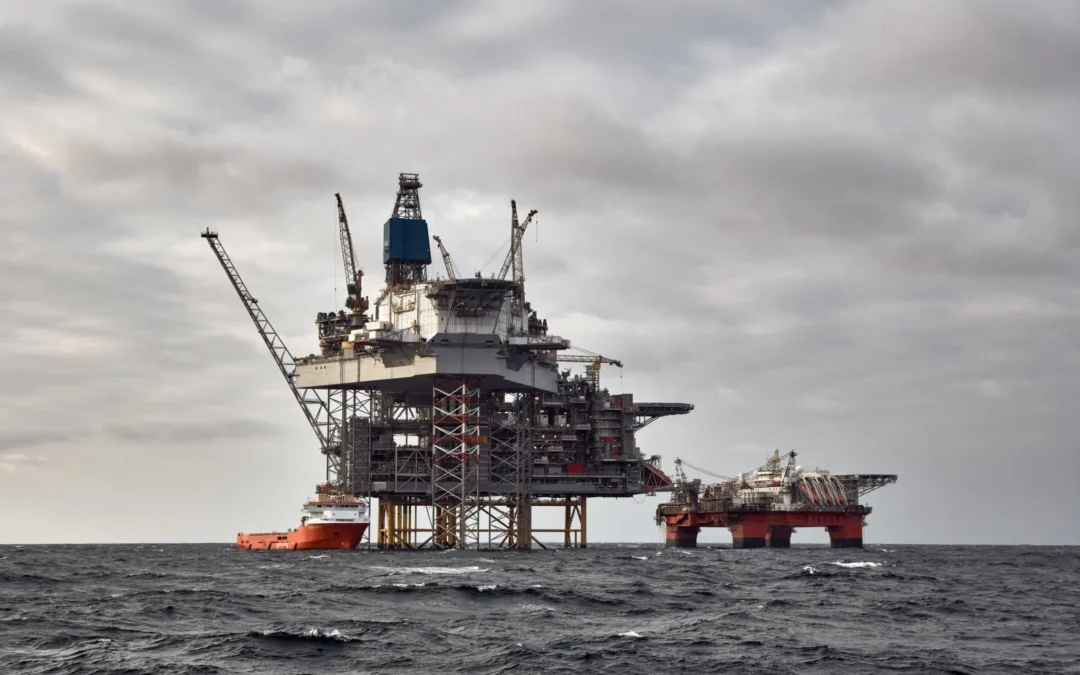
An offshore oil platform, a floating wind farm, or a subsea gas installation is, at its core, an island.
It operates far from the roads, warehouses, and supply networks that support onshore industry. Everything needed to keep it running, including fuel, equipment, spare parts, food, and personnel, must be transported across water. Everything it produces must move back the same way.
While offshore energy is often viewed through the lens of engineering and technology, its success depends just as much on something less visible: marine logistics.
What Keeps Offshore Projects Running?
Every offshore operation relies on a constant flow of vessels, cargo, fuel, and people.
Support vessels transport supplies and equipment. Shore bases coordinate cargo movements and storage. Fuel deliveries keep vessels and offshore assets operational. Skilled personnel must be mobilised safely and efficiently, often across multiple locations.
These activities may happen behind the scenes, but they are critical to keeping projects on schedule and within budget.
When a vessel is delayed, a component arrives late, or a crew rotation is disrupted, the effects can quickly spread across an entire operation.
Why Logistics Is Becoming More Complex
Offshore energy projects are moving into deeper waters and more remote environments. At the same time, growing investment in offshore wind and other marine infrastructure is increasing demand for vessels, port capacity, and specialised logistics support.
Operators must also navigate local content requirements, customs processes, regulatory compliance, and increasingly complex supply chains that often span multiple countries.
The result is a more challenging operating environment where effective logistics planning has become a competitive advantage rather than simply a support function.
Why Integration Matters
Offshore projects rarely depend on a single mode of transport.
A critical piece of equipment might be sourced internationally, shipped by air or sea, cleared through a local port, transferred to a logistics base, and then delivered offshore by vessel.
Managing those movements through multiple disconnected providers can create delays, communication gaps, and unnecessary risk.
This is why many operators are prioritising integrated logistics solutions that provide visibility and coordination across the entire supply chain.
At Sealandair Integrated Solutions, we support offshore operations through a combination of sea, land, and air logistics services, helping clients move critical cargo, equipment, and personnel efficiently from origin to offshore destination. By providing a single point of coordination, we help reduce complexity and keep projects moving.
The Real Backbone of Offshore Energy
The offshore energy industry is built on innovation, engineering expertise, and large-scale infrastructure. But none of these assets can operate without a reliable logistics network behind them.
Vessels, ports, fuel supply chains, cargo movements, and workforce mobilisation are not secondary considerations. They are essential to project success.
As offshore operations become larger and more complex, the companies that treat logistics as a strategic capability will be best positioned to deliver projects safely, efficiently, and on schedule.
Because in the end, every offshore energy project is ultimately a marine logistics project.