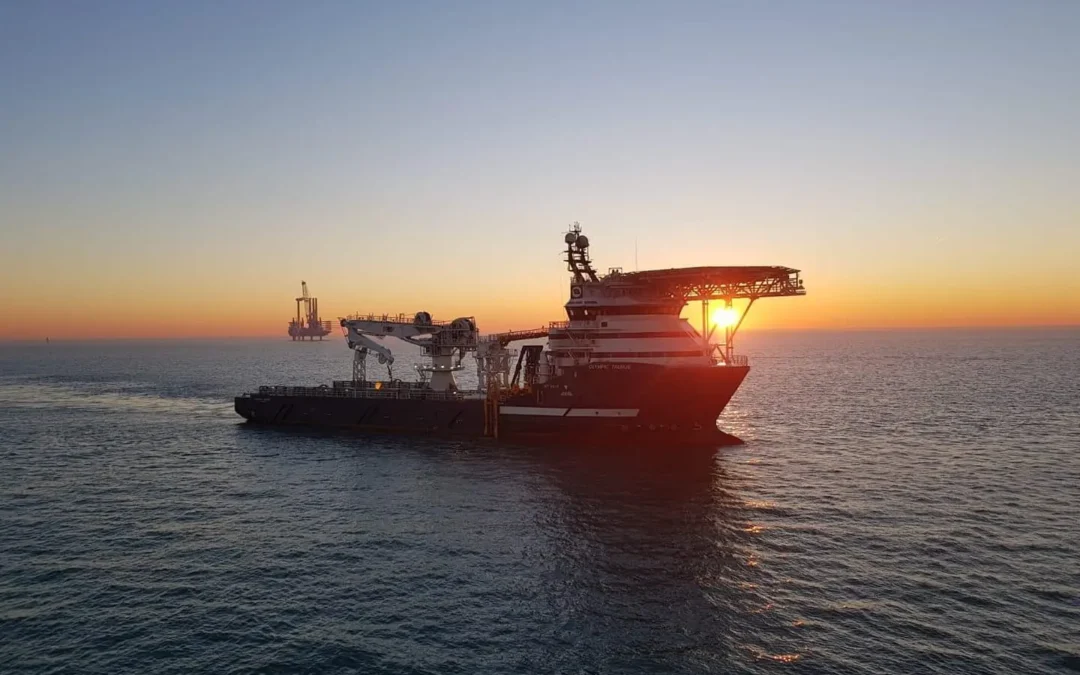
 An offshore project does not pay for time only when work is being performed. It also pays for the capacity committed to make that work possible. Consider a vessel mobilised for a five-day offshore campaign. The vessel has been contracted, its crew is onboard,...
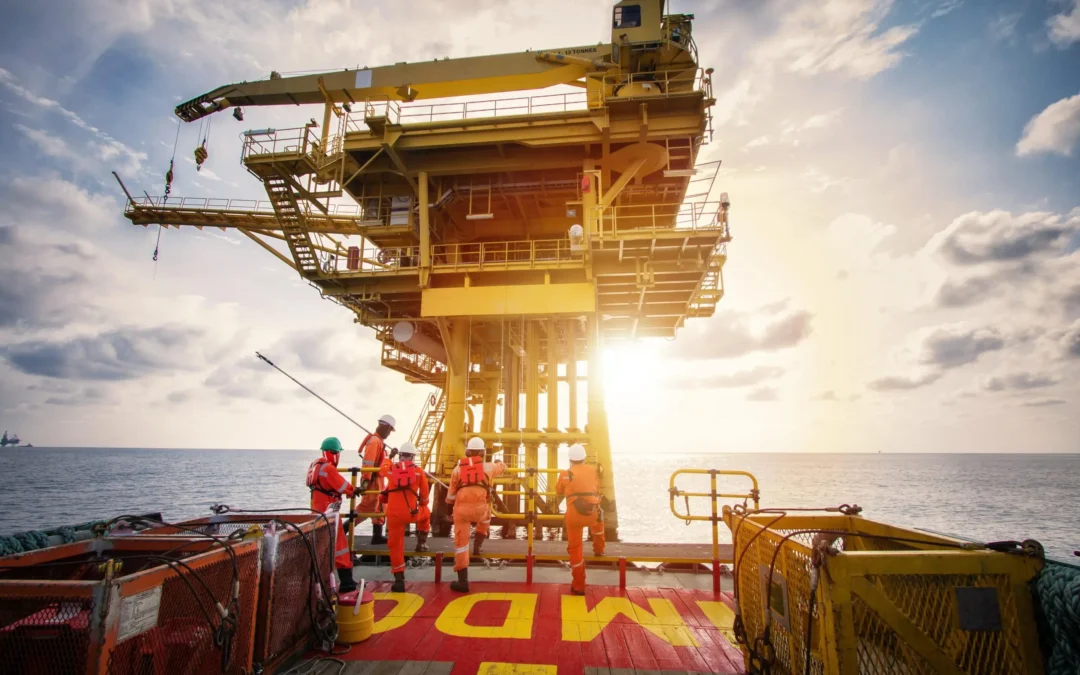 Offshore projects are often defined by their physical assets: vessels, platforms, equipment and technical systems. But behind every operation is another form of infrastructure that receives far less attention: the people who make those assets work. Vessel crews,...
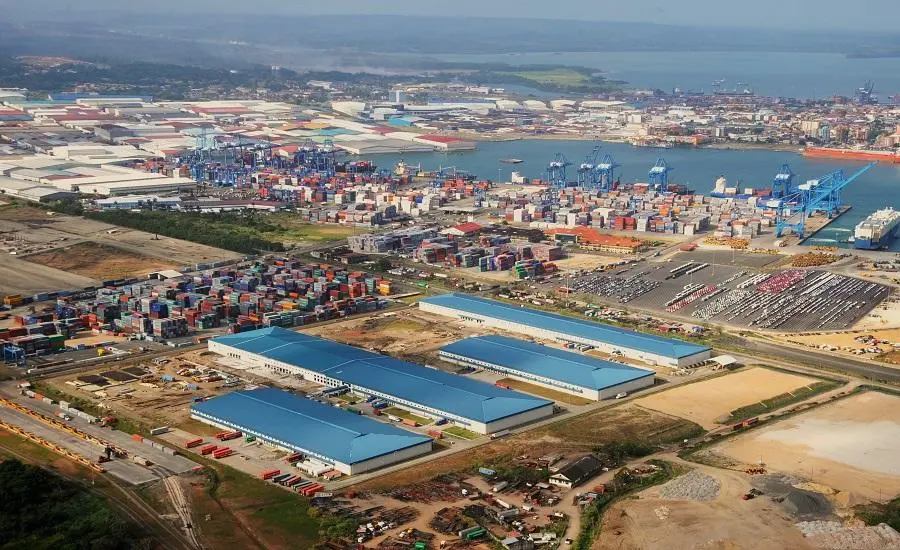 Africa’s logistics sector is becoming increasingly important to the continent’s economic growth. As e-commerce expands, cities grow and intra-African trade develops, businesses need more than roads and ports. They need warehouses, distribution centres, fulfilment...
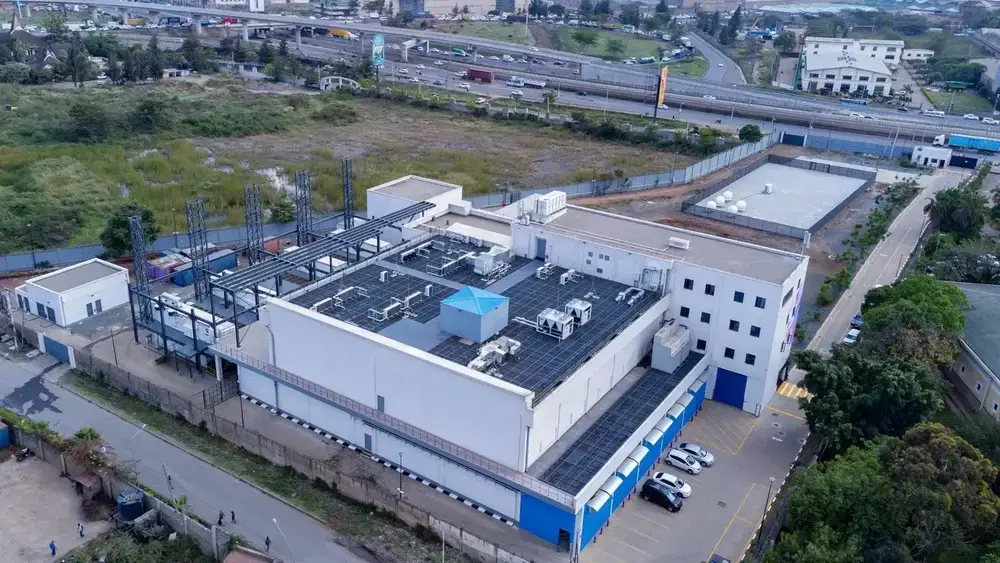 Africa’s data-centre growth is often discussed in terms of digital demand: more cloud services, greater connectivity and more businesses moving operations online. But behind that growth is a much broader infrastructure requirement. According to the African Data Centre...
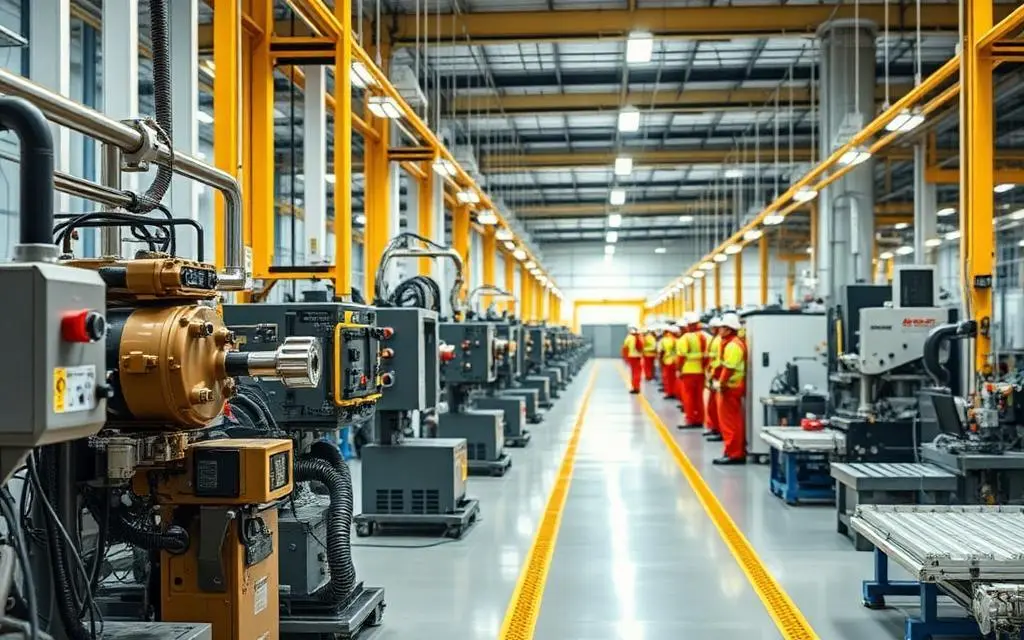 For many businesses, the cost of unreliable energy is not limited to the electricity they fail to receive. Across African markets, businesses in sectors such as manufacturing, processing and cold-chain operations have had to account for interruptions in their primary...
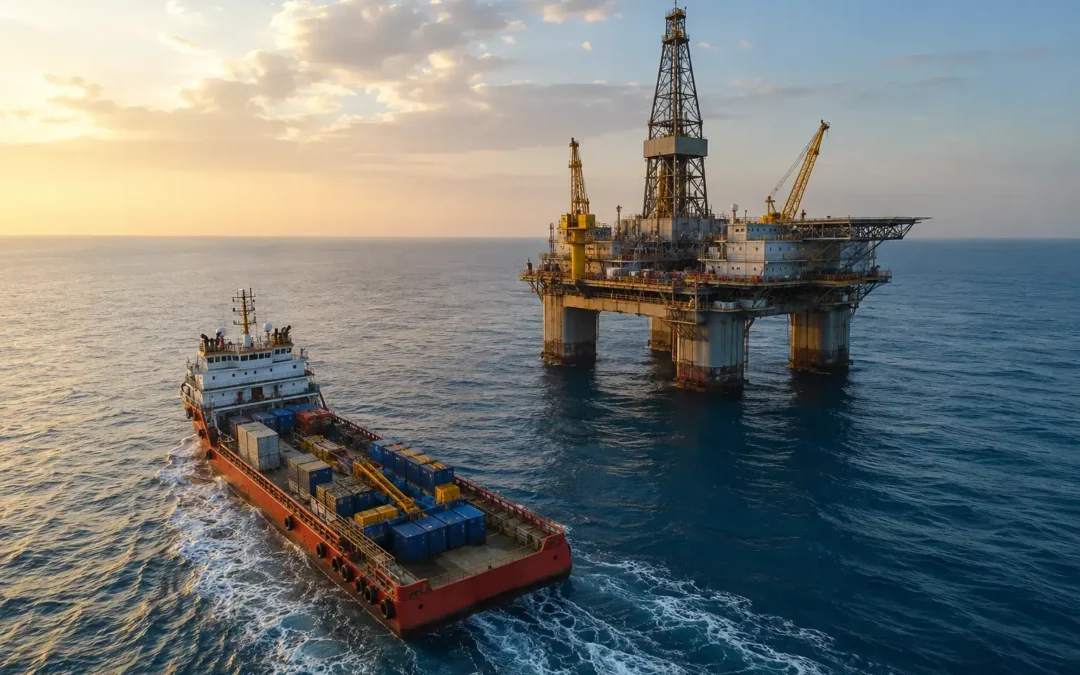 An offshore well does not begin when the drill bit enters the seabed. Long before drilling starts, a complex chain of decisions and activities is already underway. Equipment has to be specified and procured. Materials need to be inspected, certified and prepared for...